Bird Watching
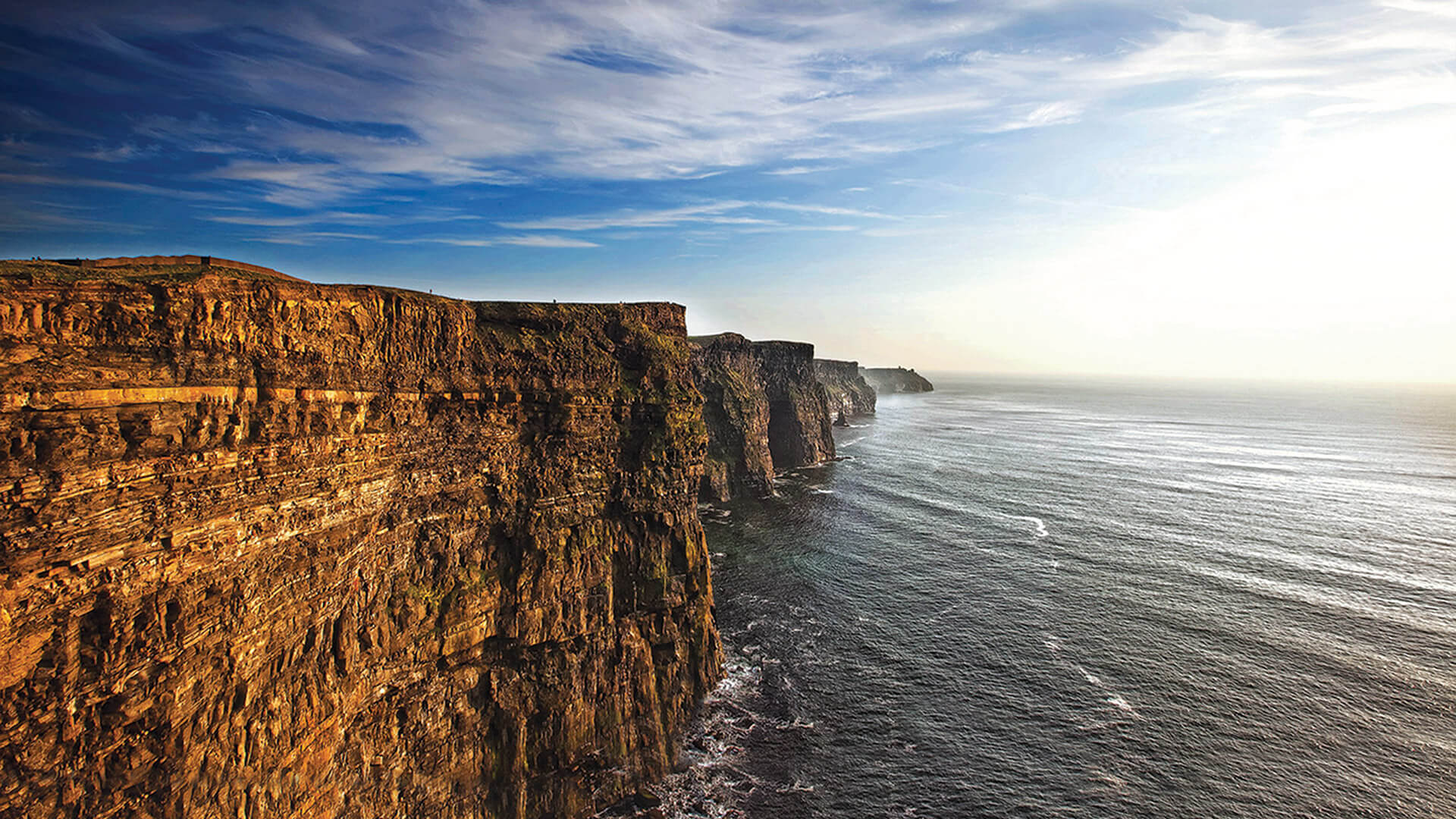
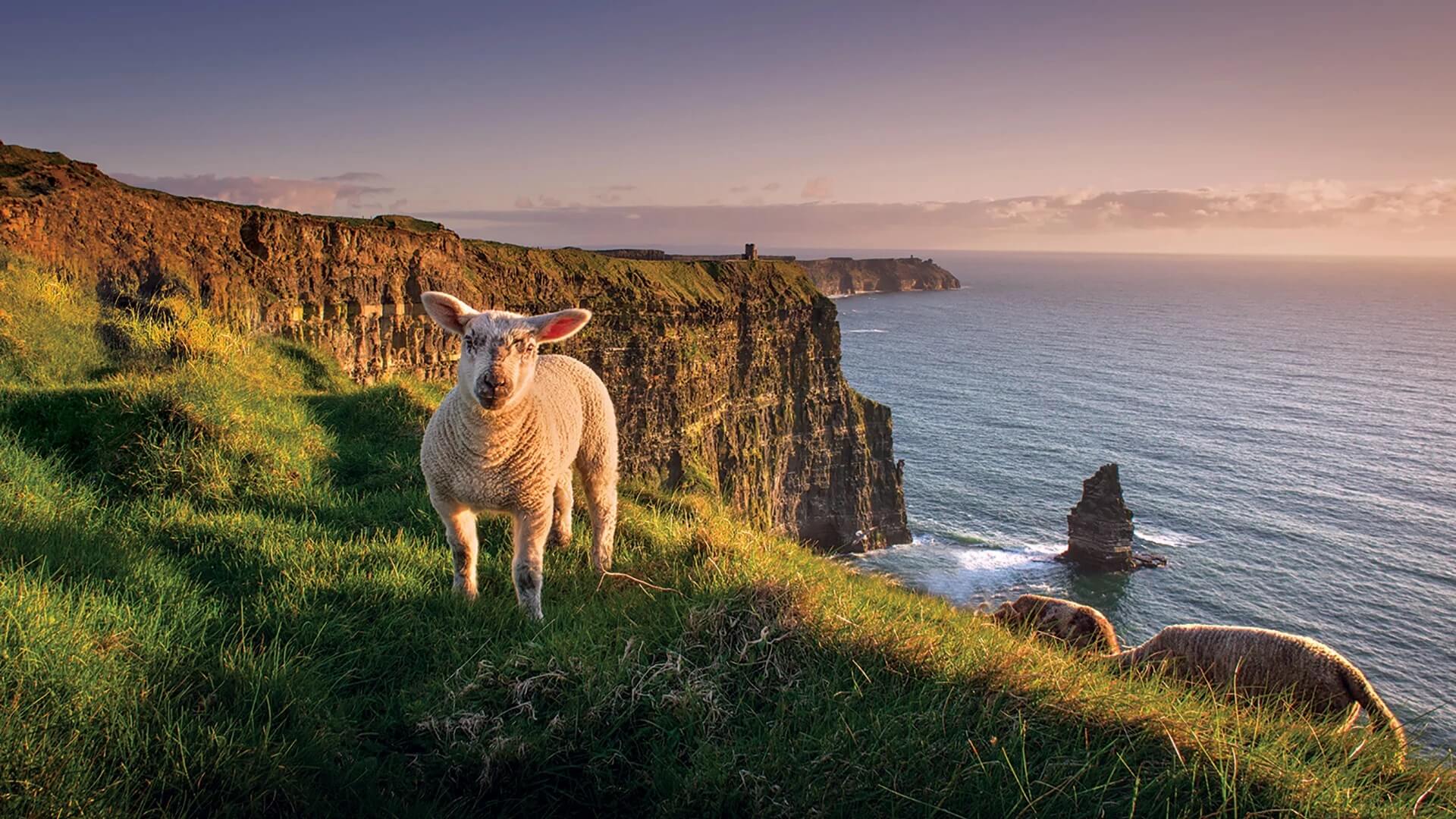
We don’t like to crow about it, but did you know the Cliffs of Moher is one of the best places in Ireland to watch birds? The magnificent Cliffs on the Wild Atlantic Way host major colonies of nesting sea birds and are one of the country’s most important bird-breeding sites. Indeed, the area has been designated a Special Protection Area (SPA) for Birds under the EU Birds Directive.
So, what better way to spend your time than to relax in the comforting embrace of mother nature while observing the playful antics of the thousands of sea birds?
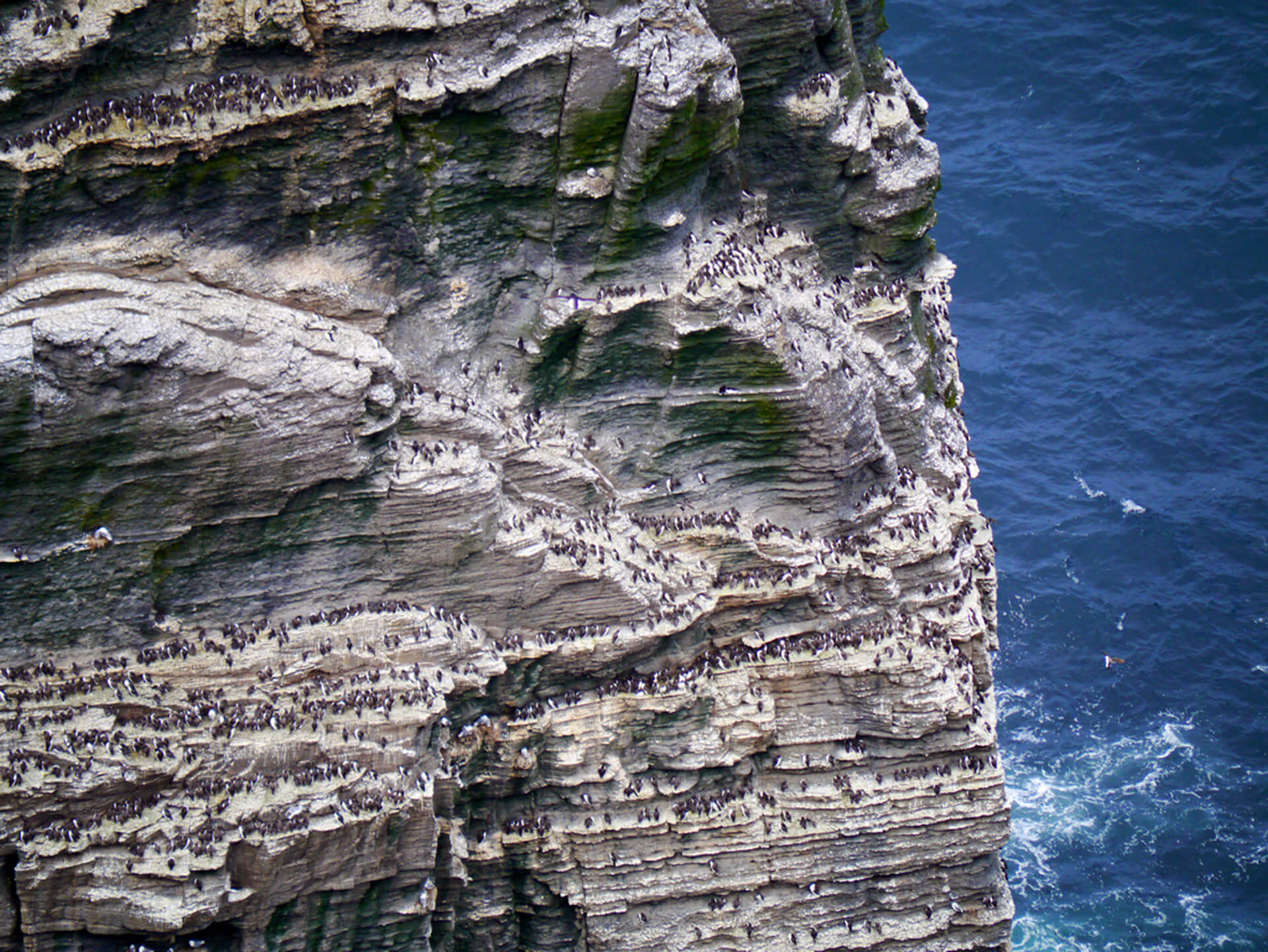
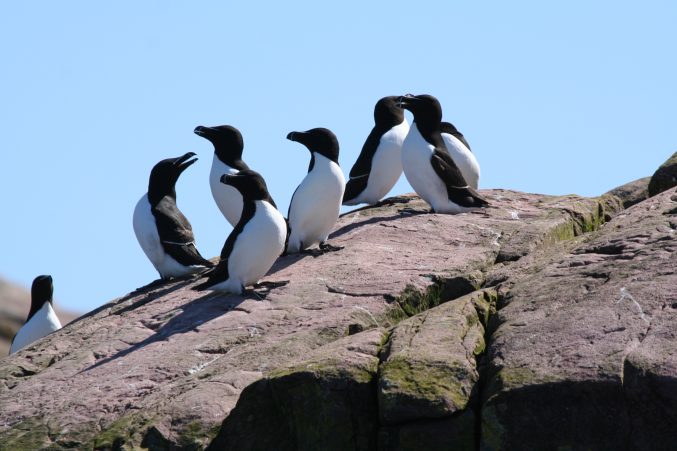
At the Cliffs you can see over 20 different species, including internationally important numbers of guillemot and razorbill, and also significant numbers of puffin, kittiwake and fulmar.
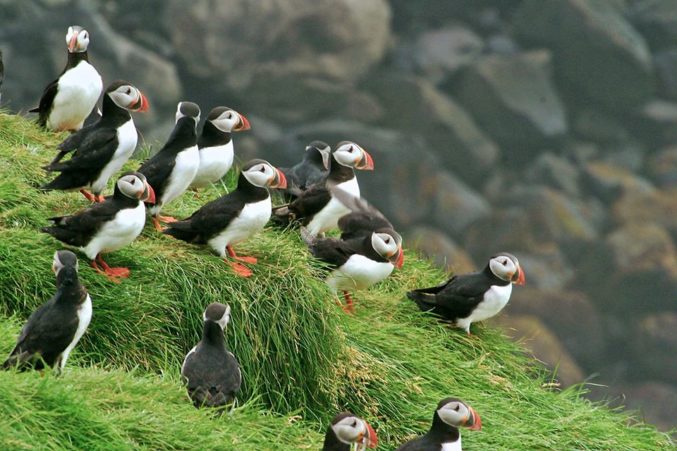
Standing on the South platform you can avail of views back to O’Brien’s Tower and along the cliff face where a long green piece of rock, known as Goats Island, juts out to sea. While it is not really an island – there is a narrow link to the cliff face – it takes its name from the story that Cornelius O’Brien kept goats there. Today it is an important nesting site for puffins in the summer.
Special Protection Area
The Cliffs are also of special conservation interest for holding an assemblage of over 30,000 breeding seabirds.
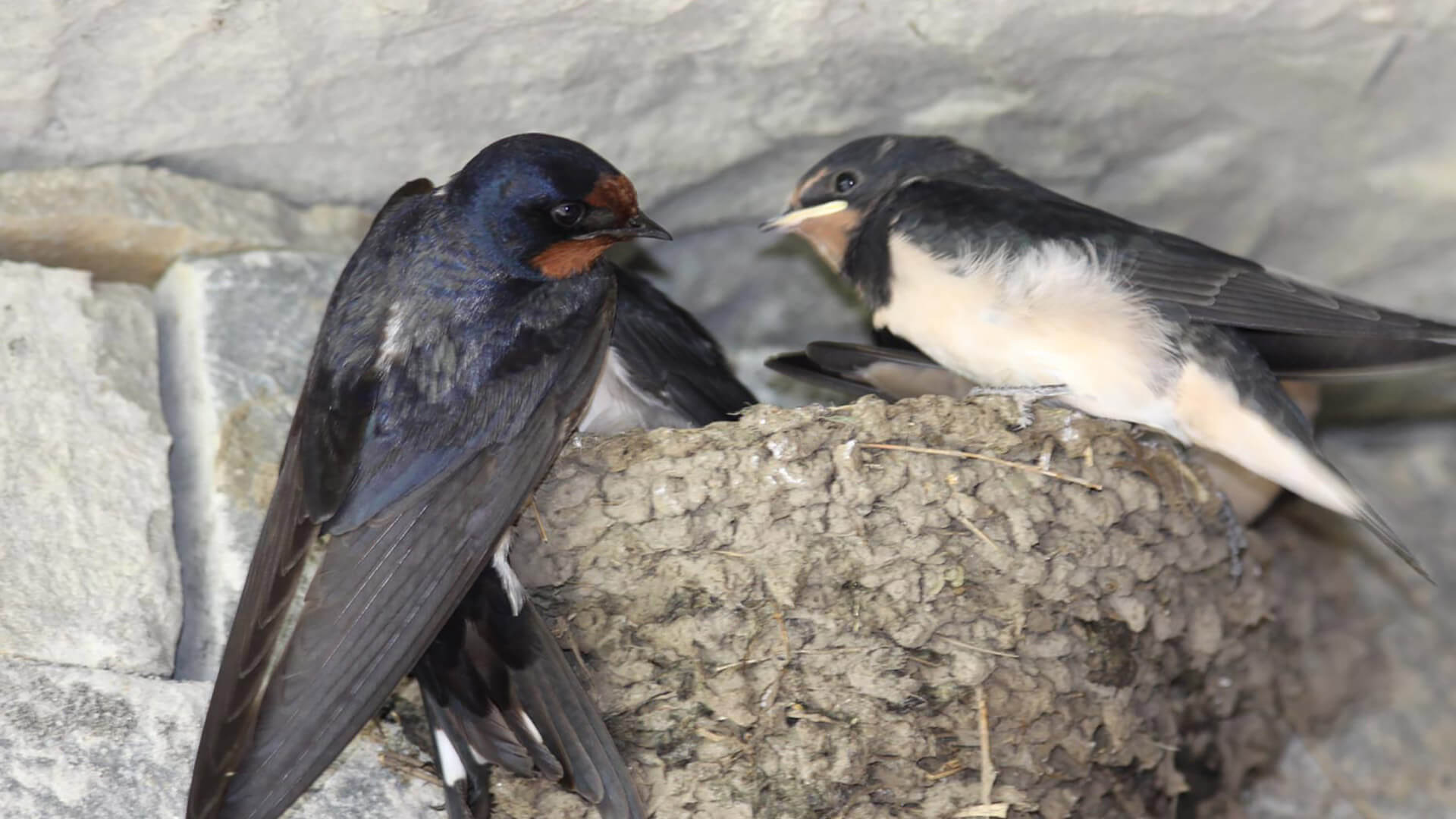
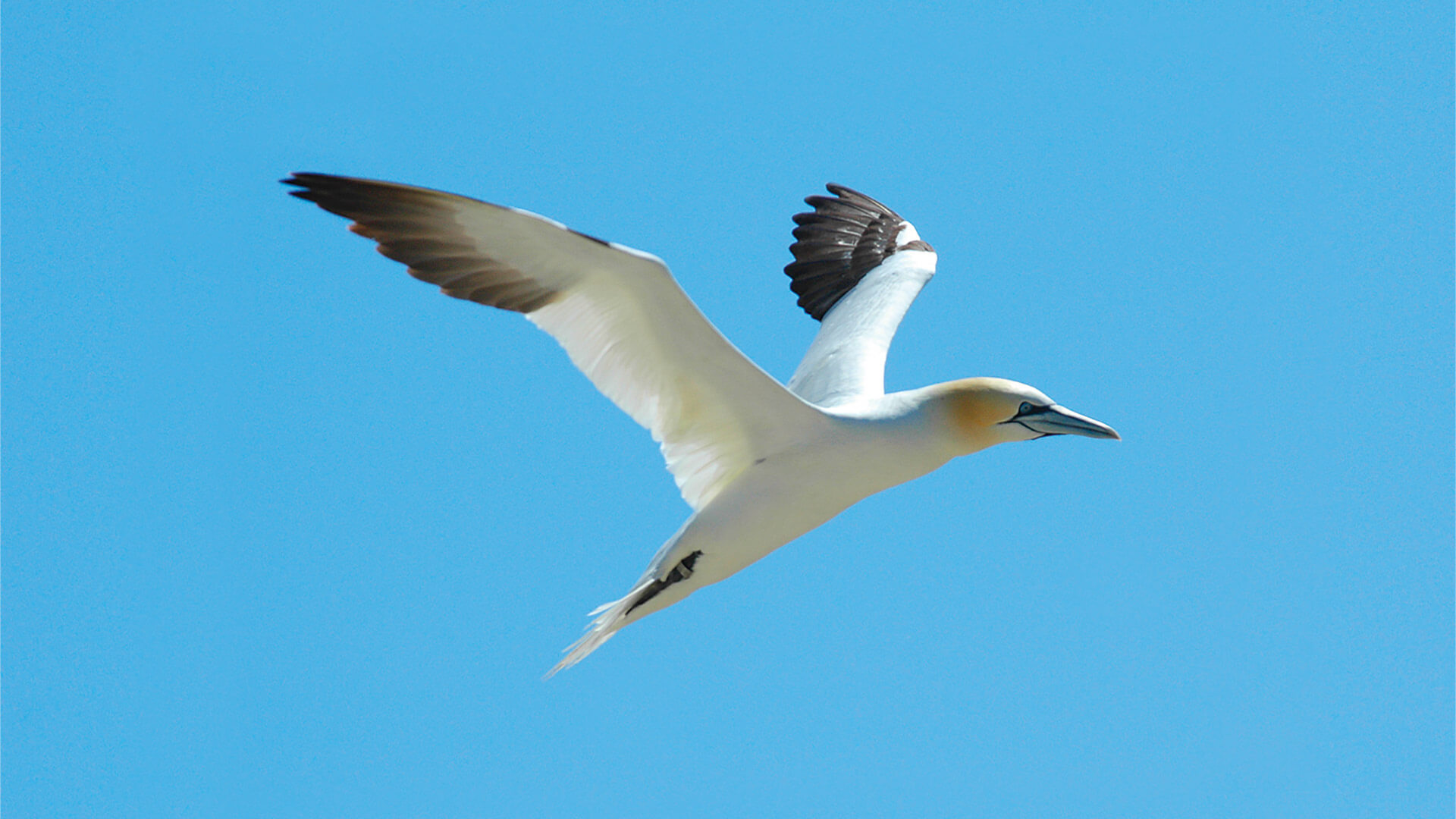
Locally the birds are referred to as The Magnificent 7; from May to August the gregarious seabirds animate the Cliffs with their colour and sound.
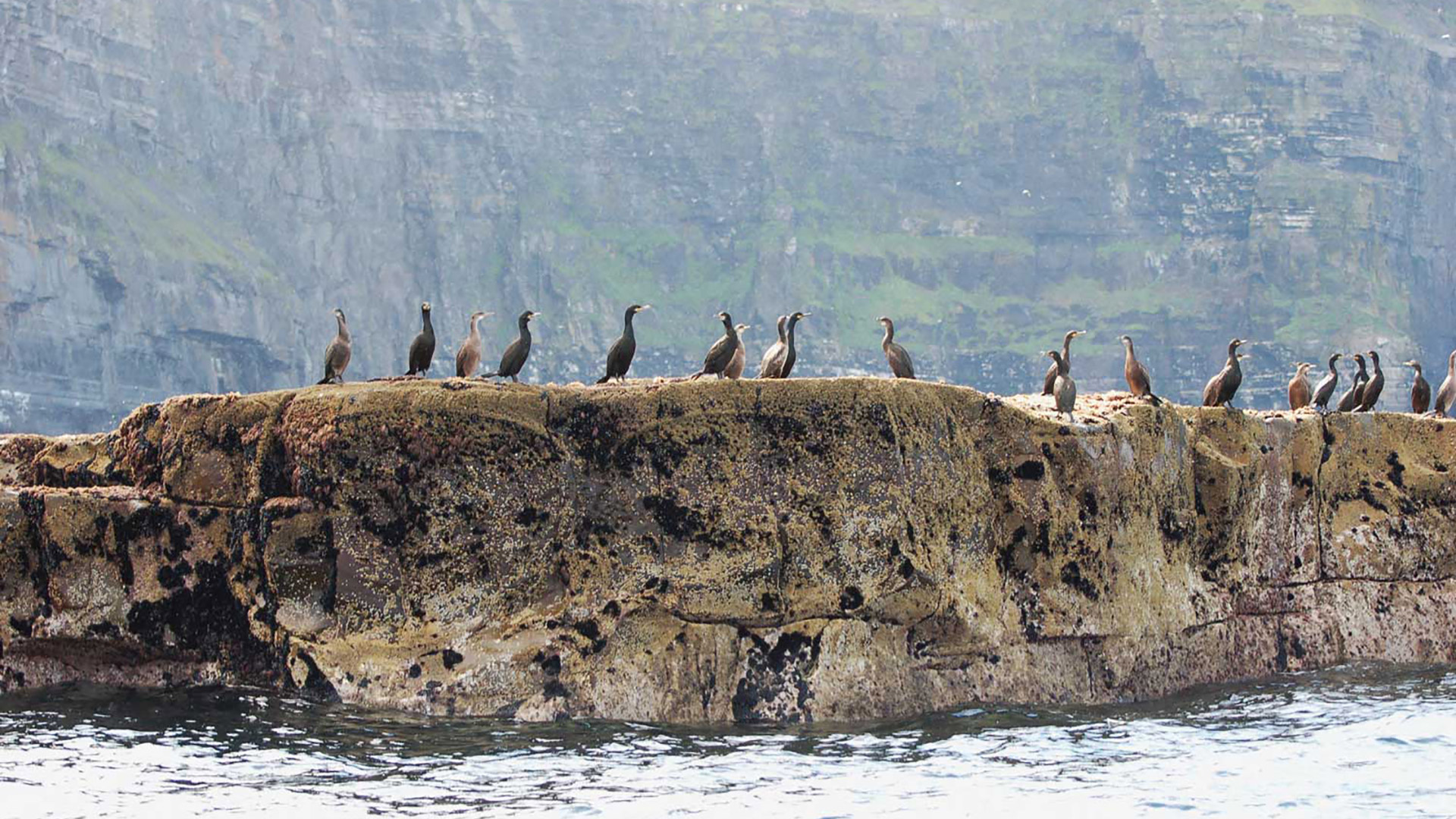
From late February, a variety of seabirds like guillemot, razorbill, great black-backed gulls and shag begin to return to the Cliffs from their wintering grounds. As for the Atlantic Puffin, it typically arrives around the end of March.
You may also be lucky enough to see endangered bird species like choughs and peregrine falcons.
Here’s a look at our magnificent 7
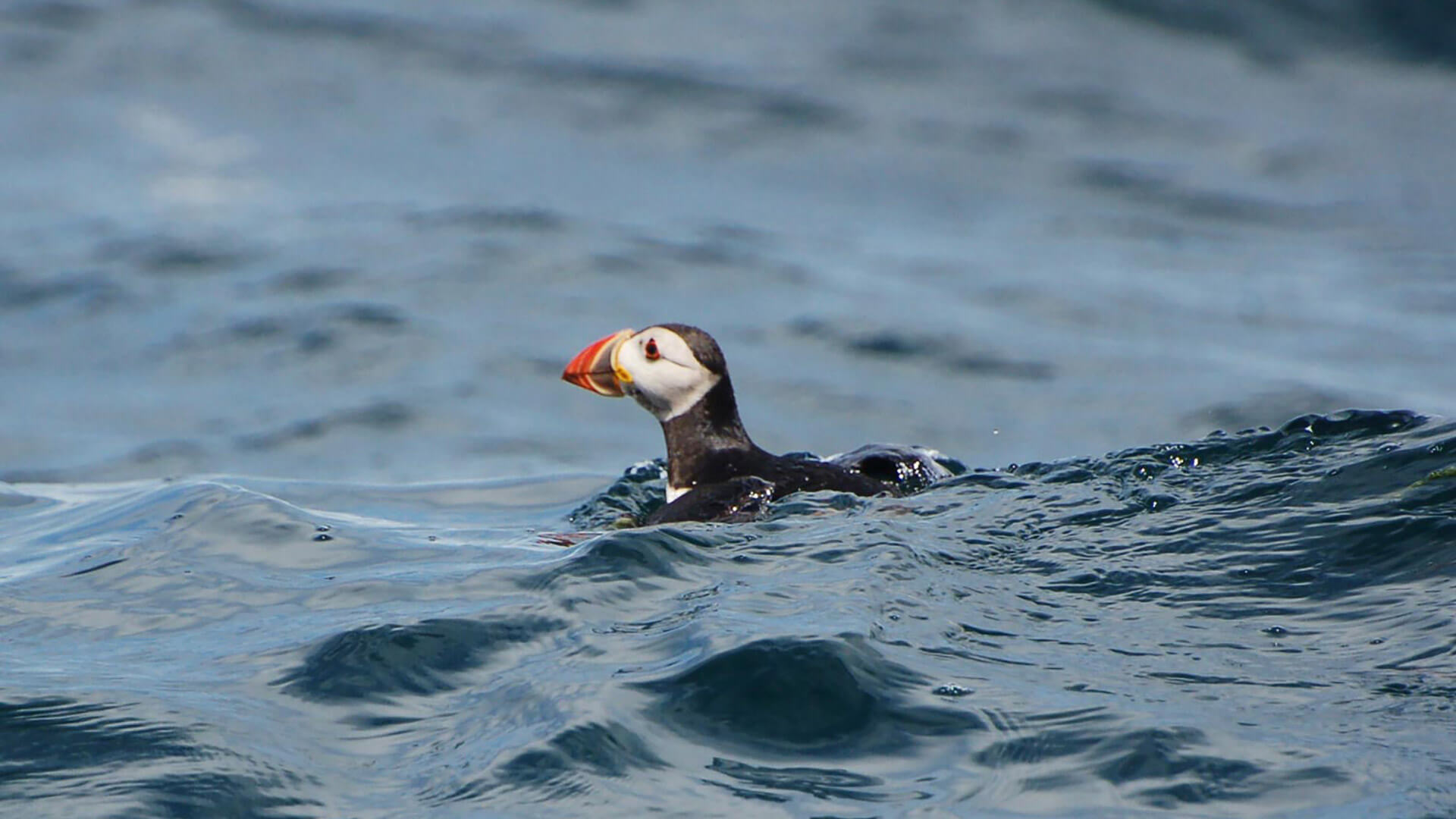
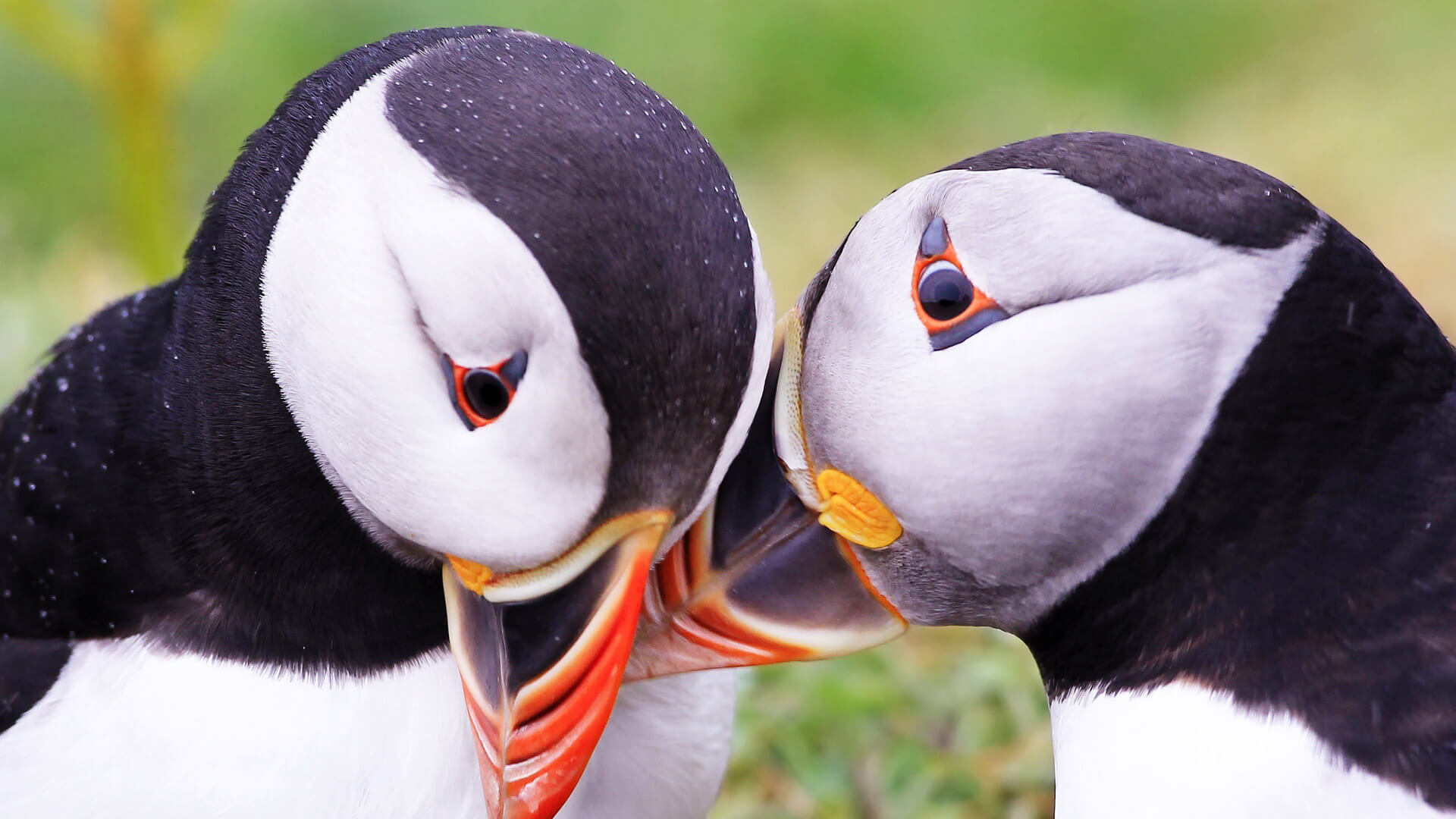
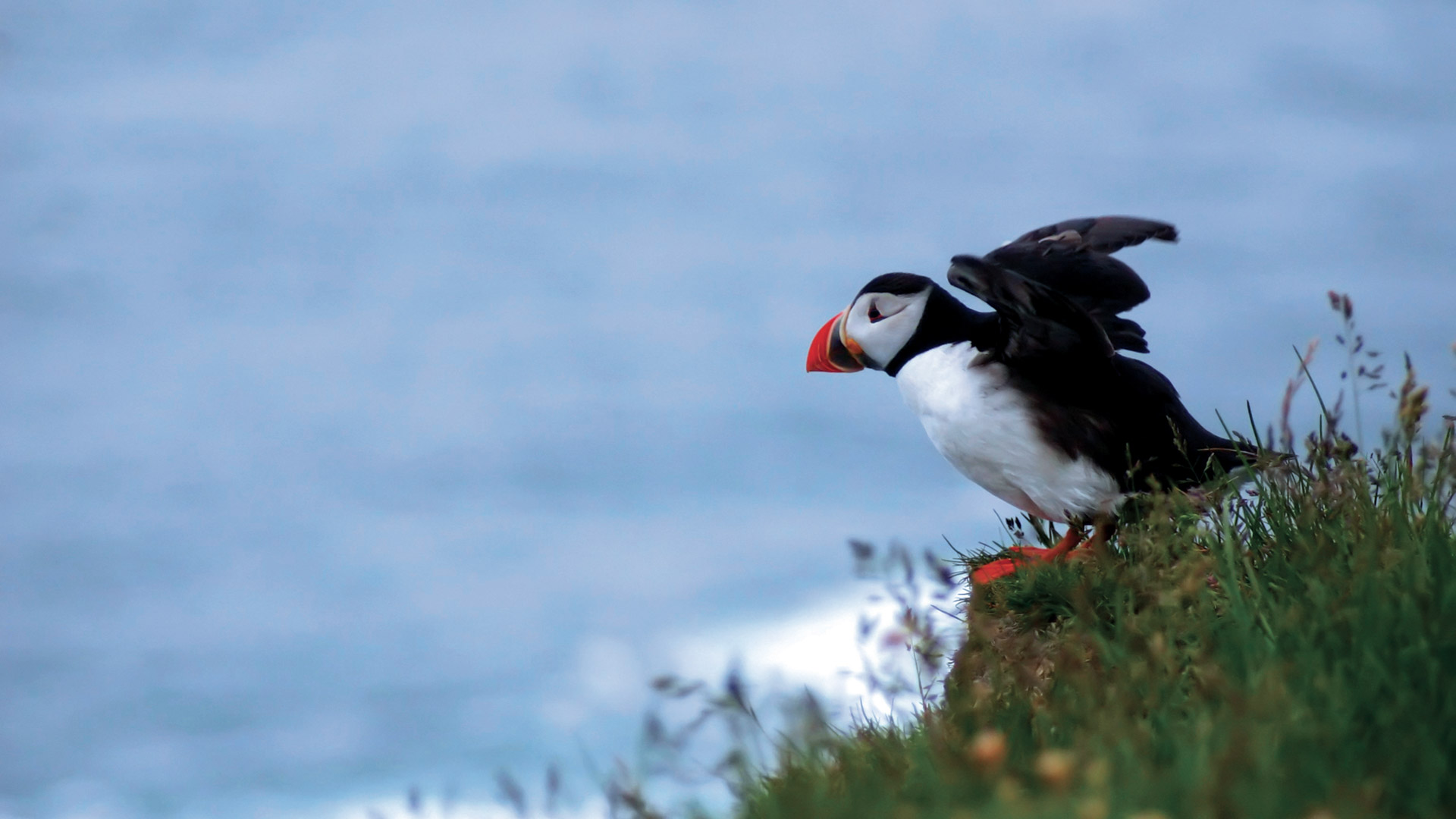
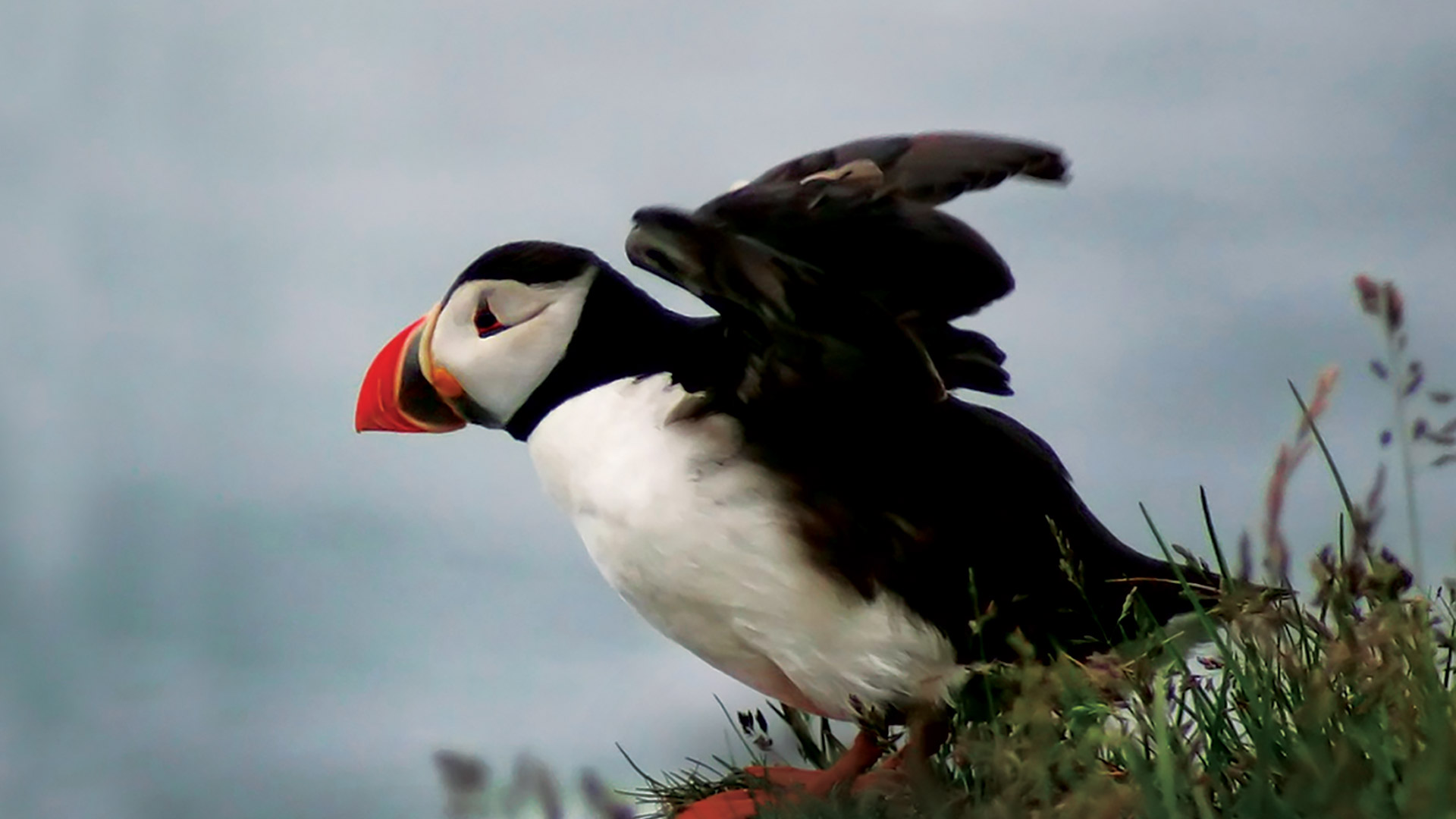
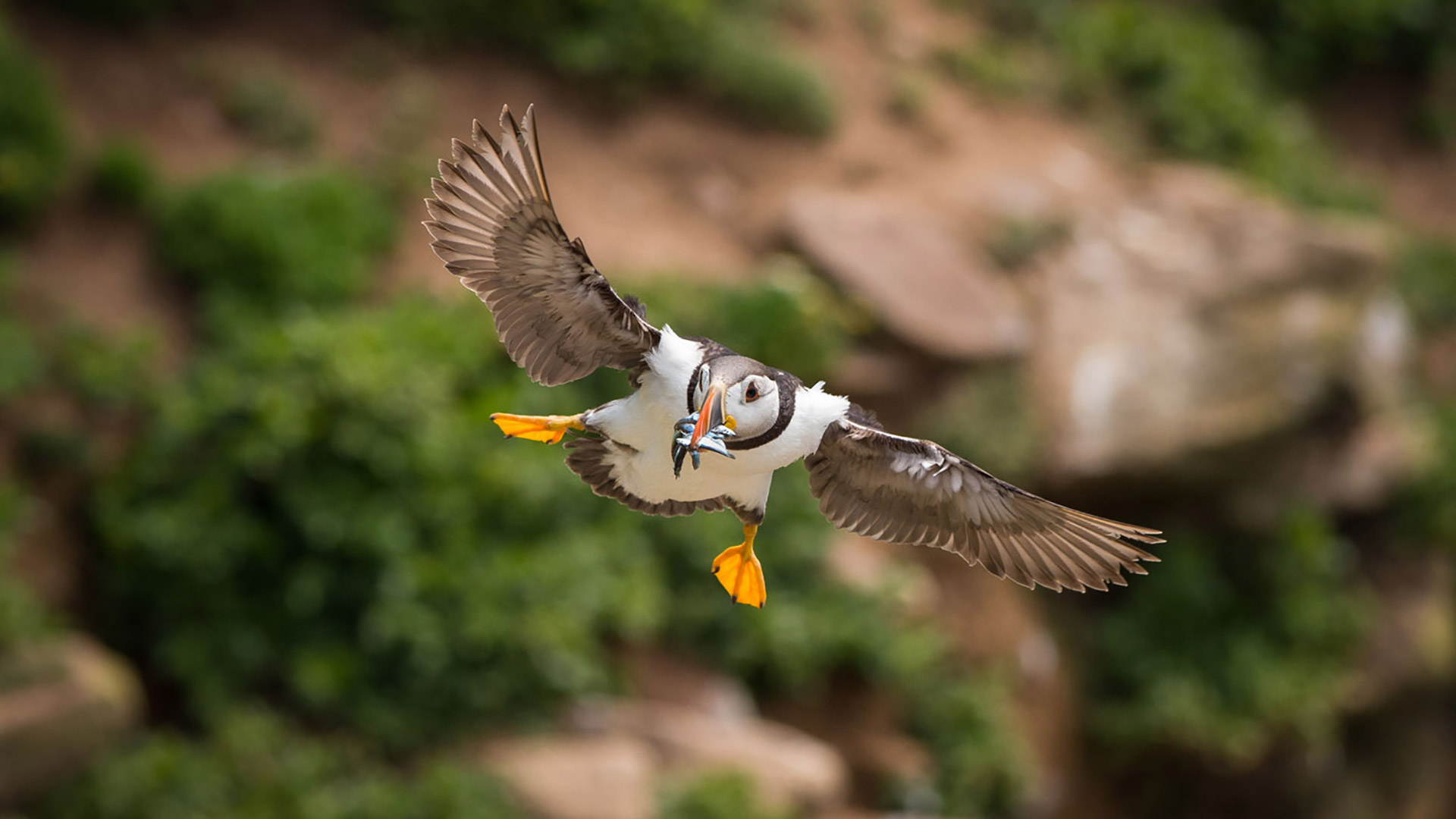
Puffins
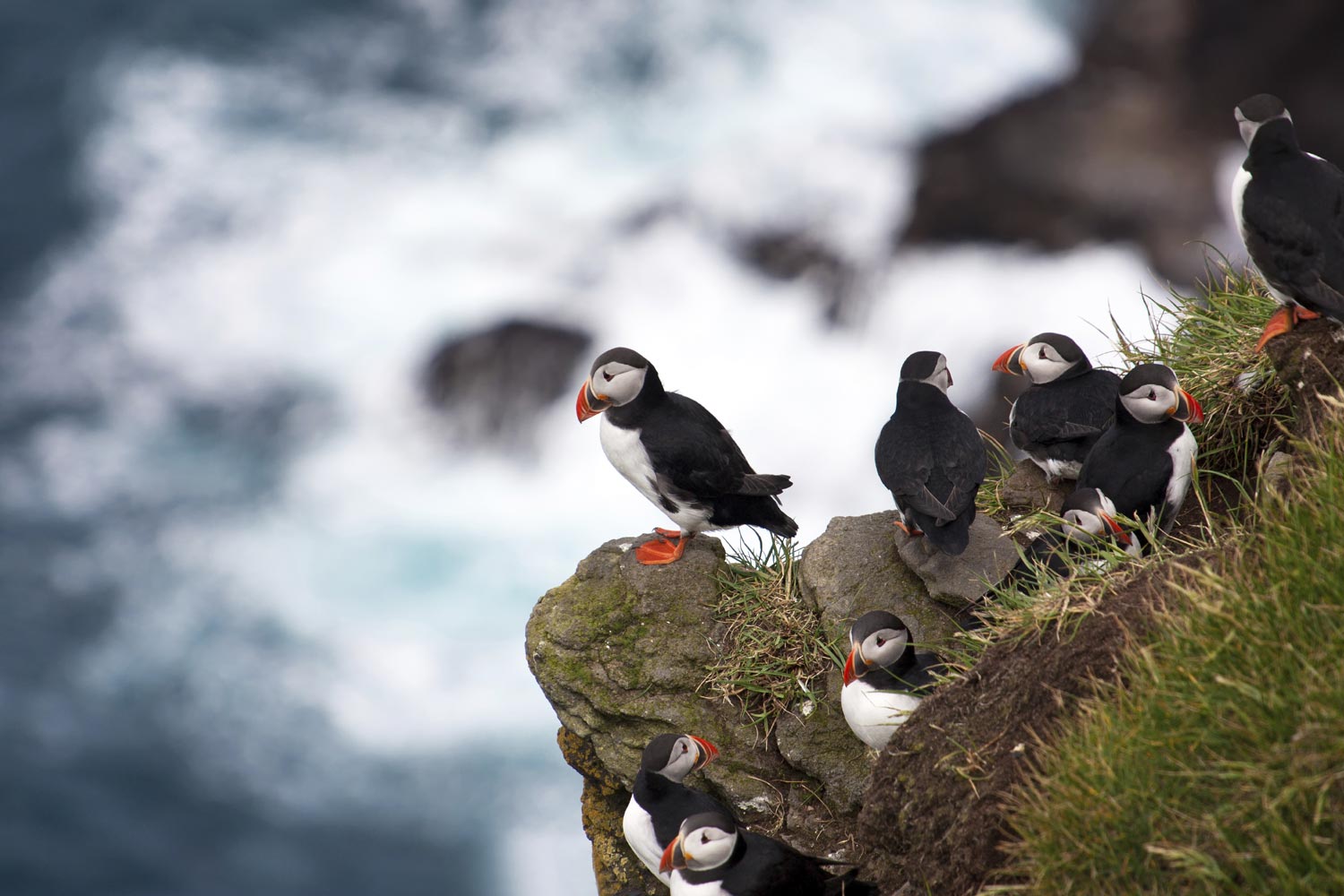
While Atlantic Puffin populations are dwindling throughout Europe, the numbers at the Cliff’s are increasing. The Cliffs of Moher puffin is a member of the Auk family which winters at sea and returns to shore for the nesting season from late May to mid July.
The best time for you to view them along the length of the Cliffs is between May and June.
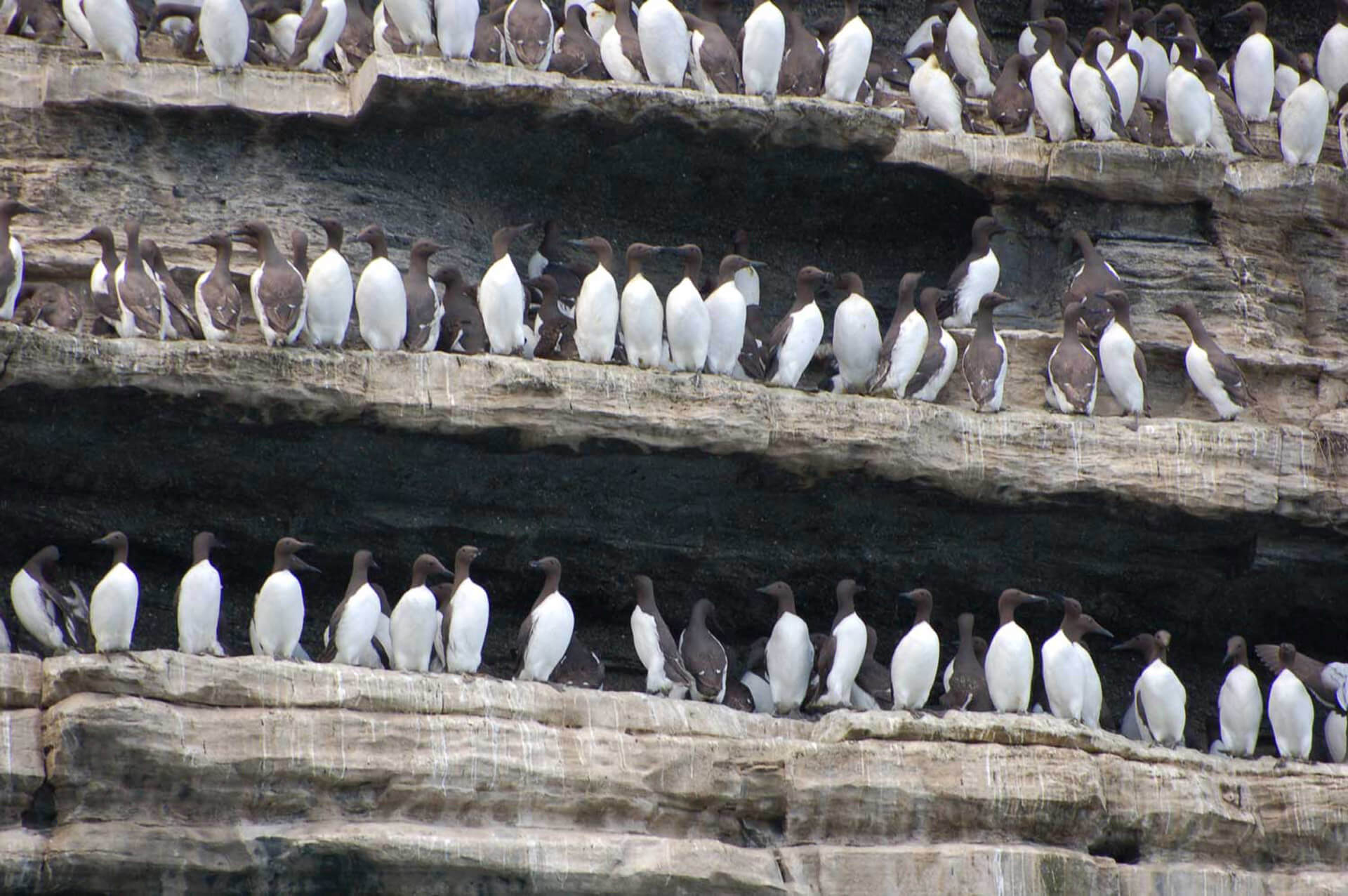
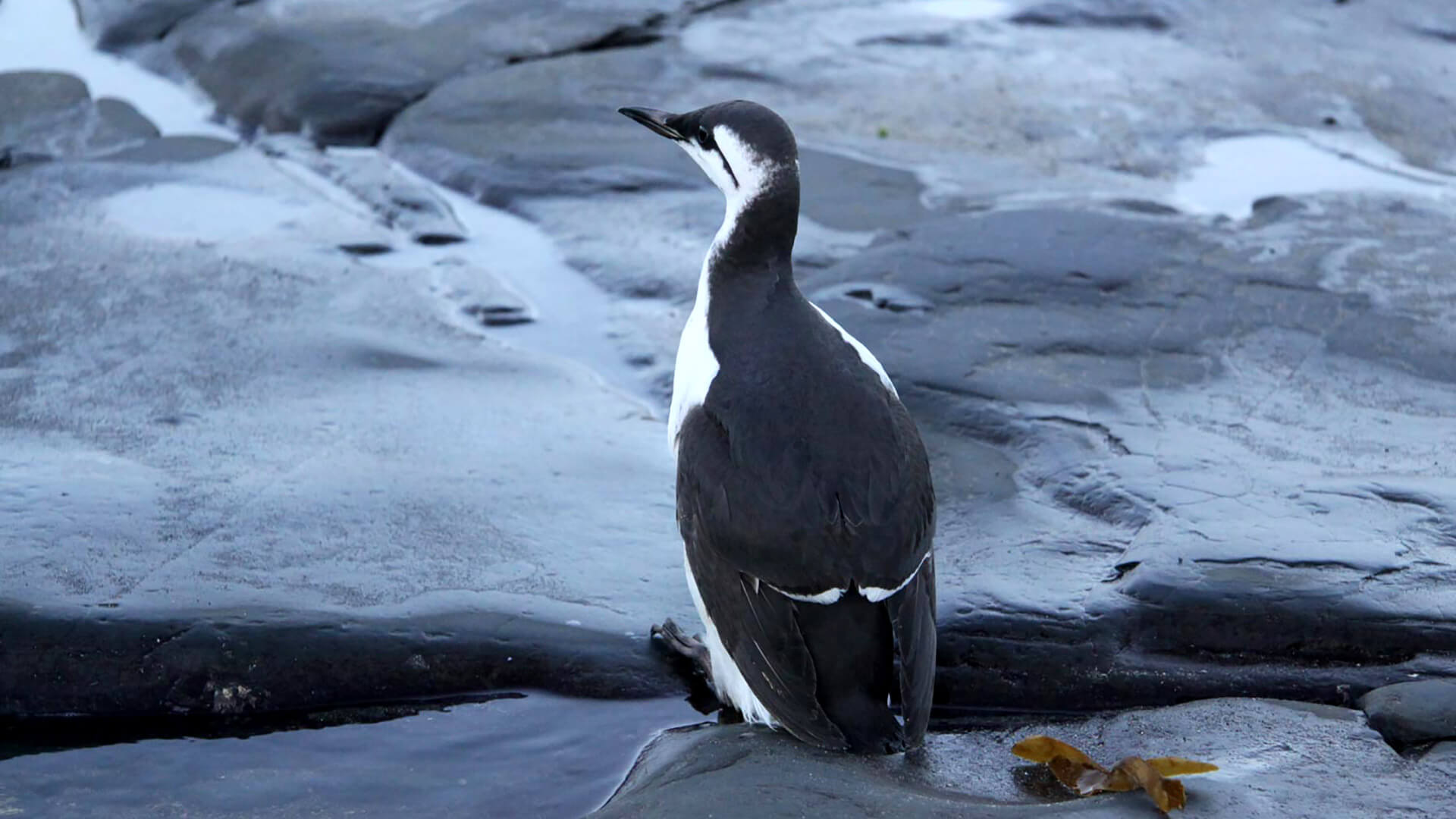
Guillemot
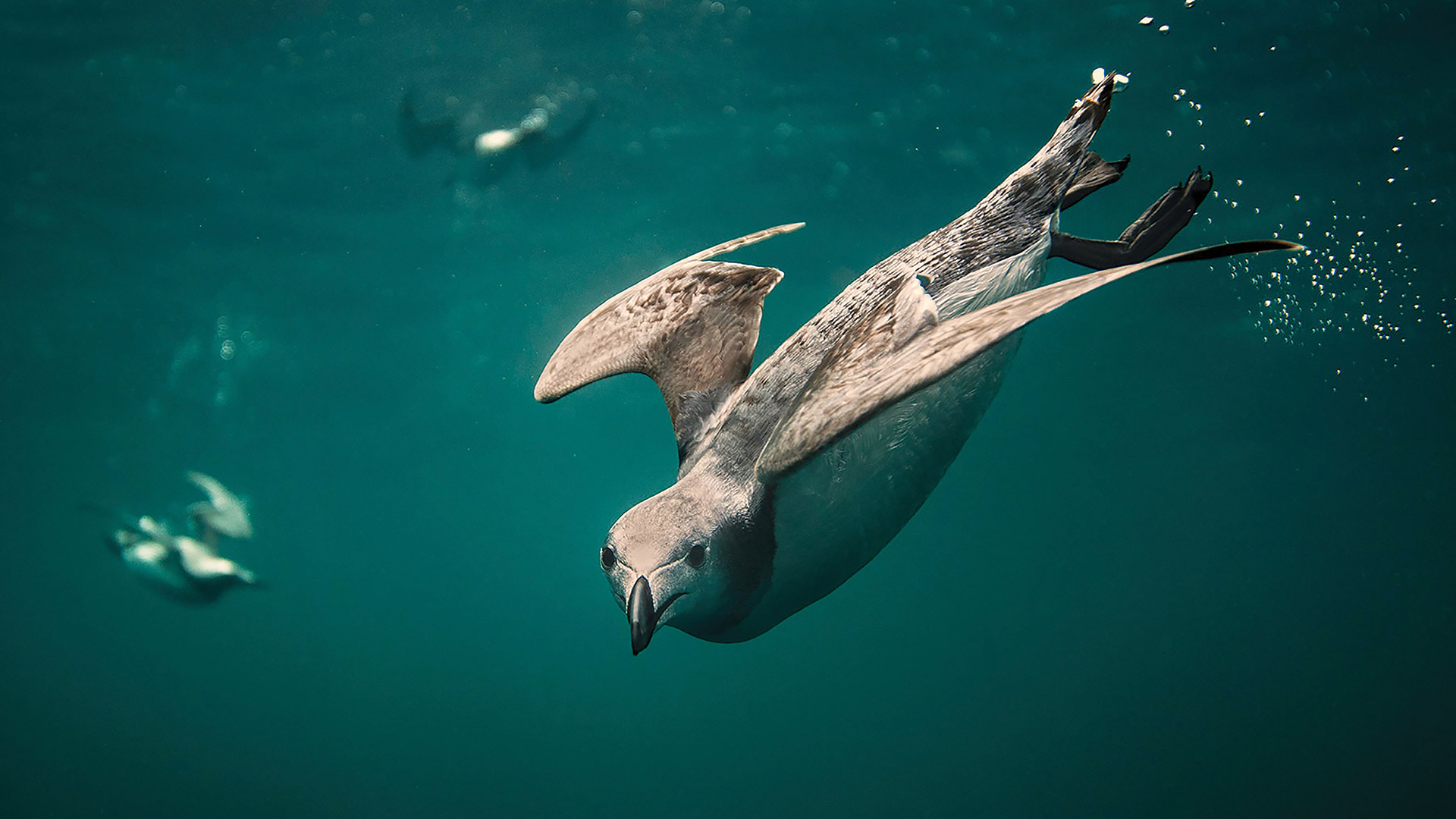
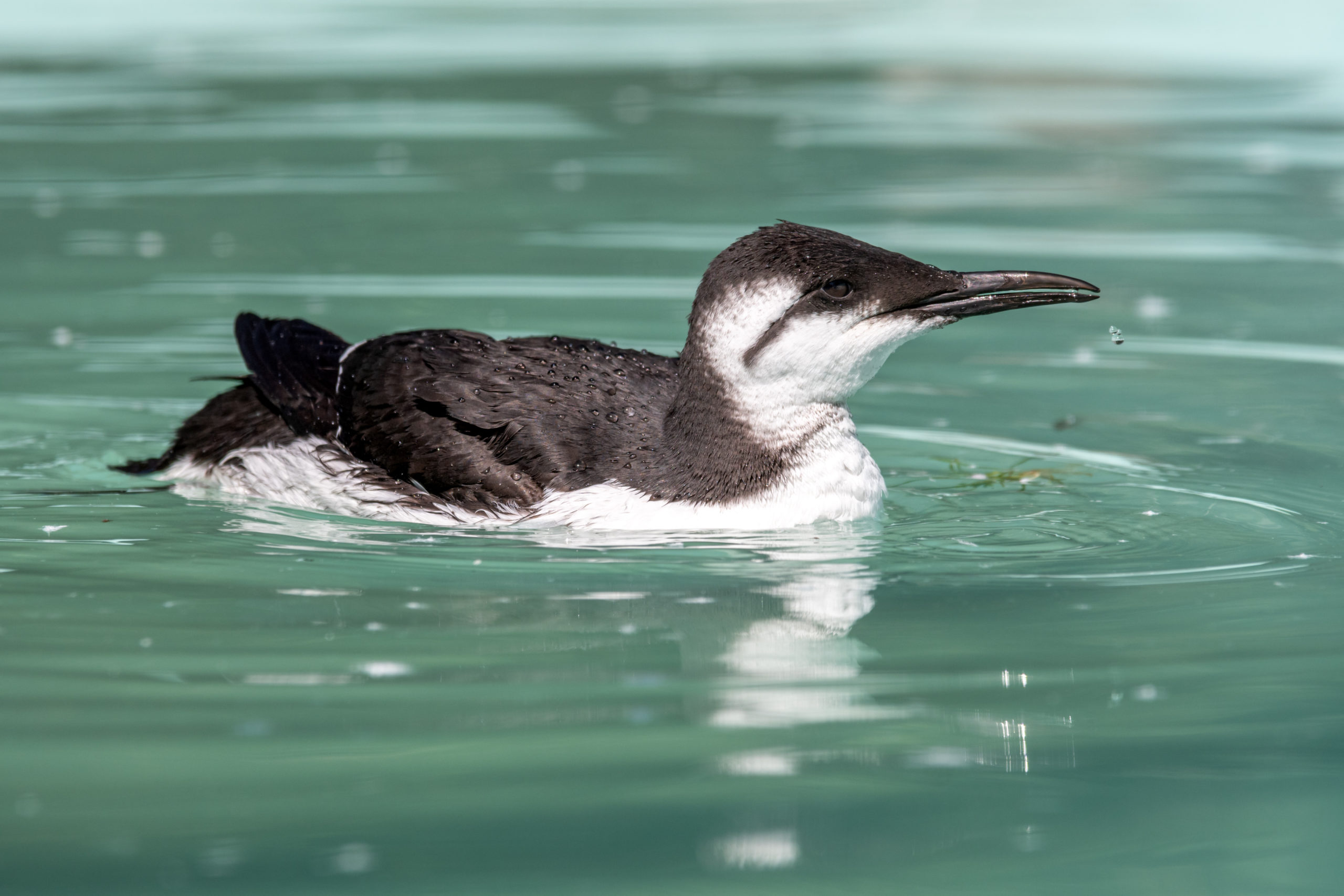
A member of the Auk family one of the most numerous birds in the great ‘seabird cities’, only coming to land to nest during the breeding season from March/April to August/September, spending the rest of its life at sea.
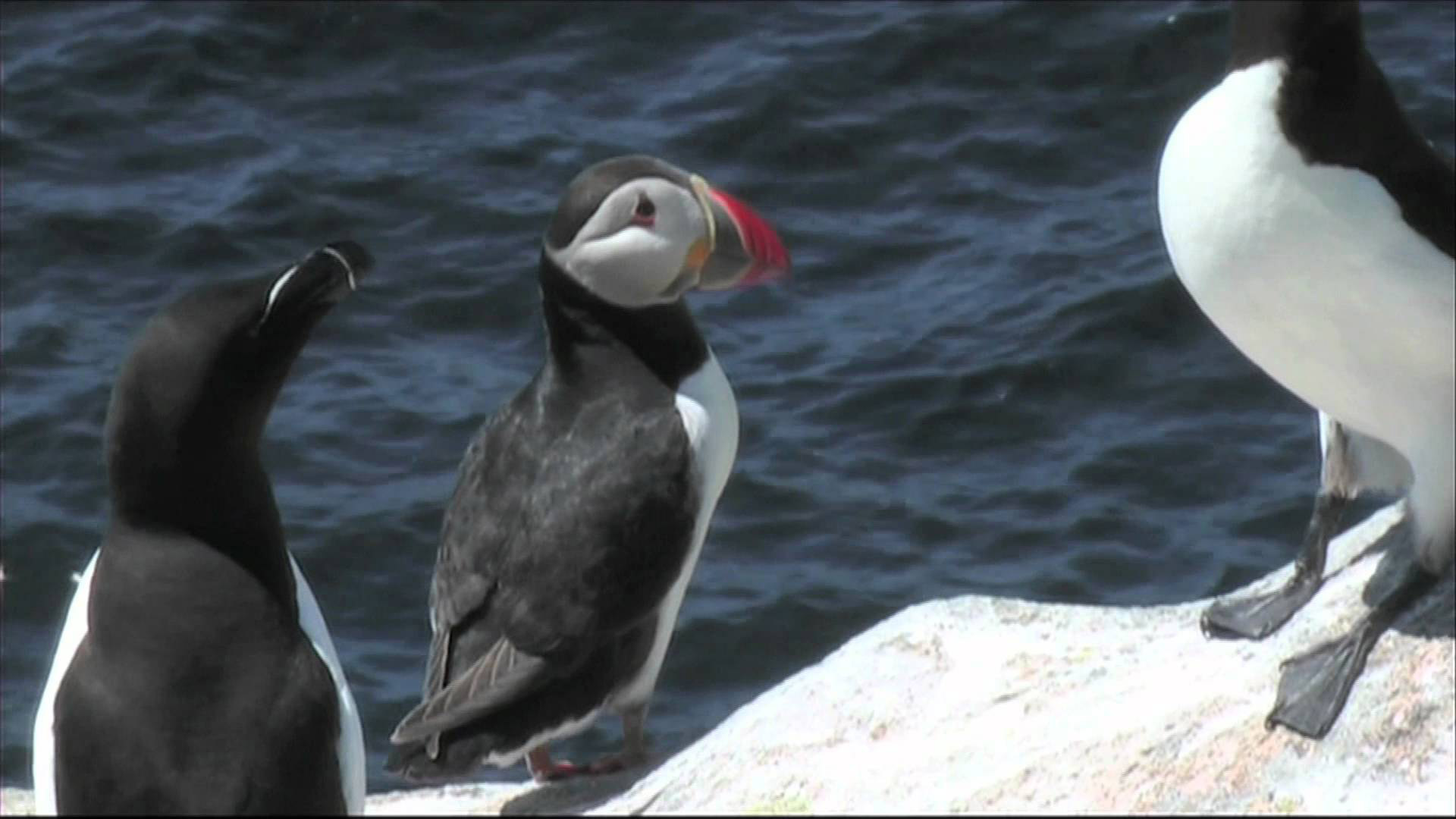
They can be confused with a Razorbill, but the Guillemot has a longer body, browner upper parts with less white on the side of their body with a lighter bill.
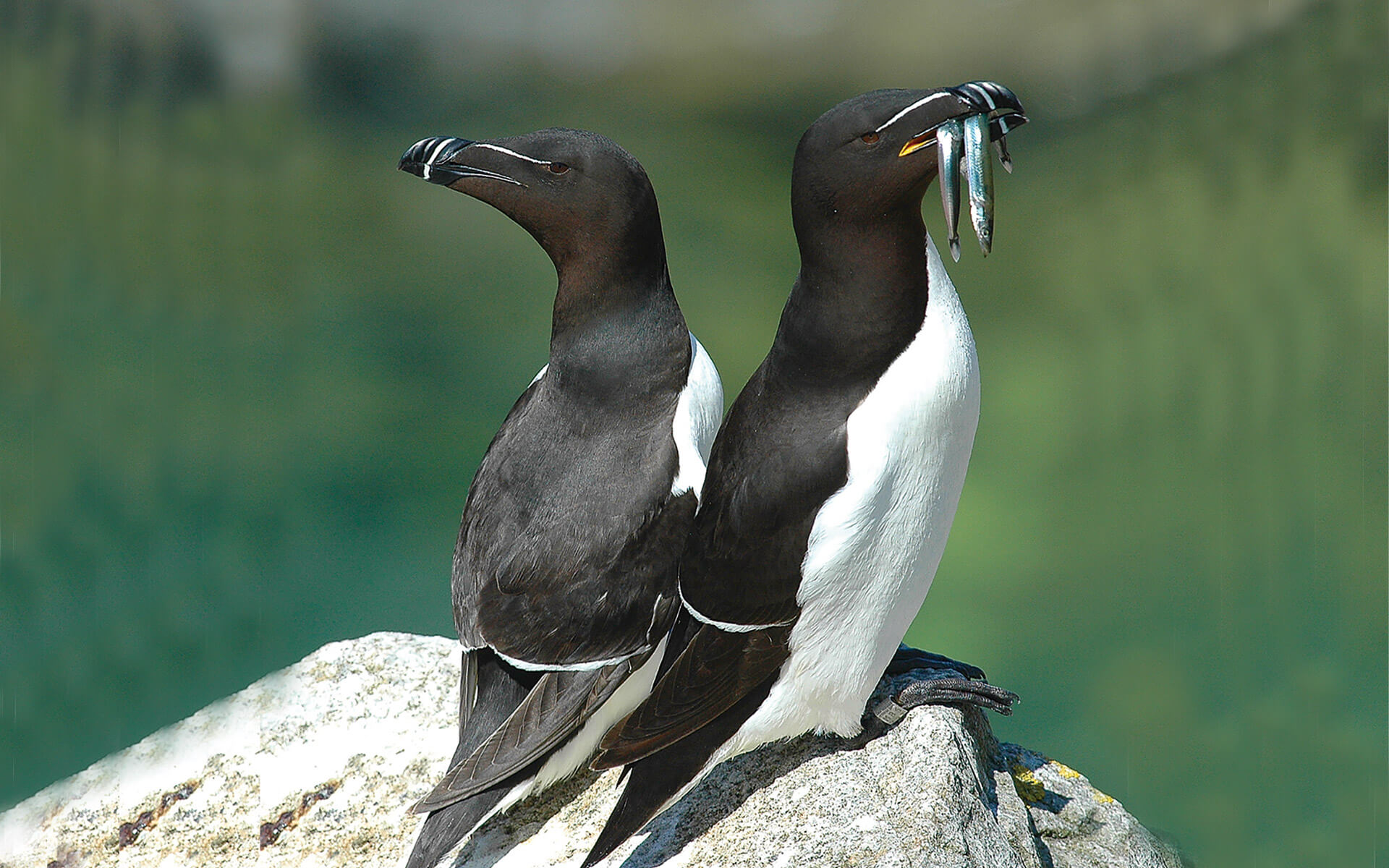
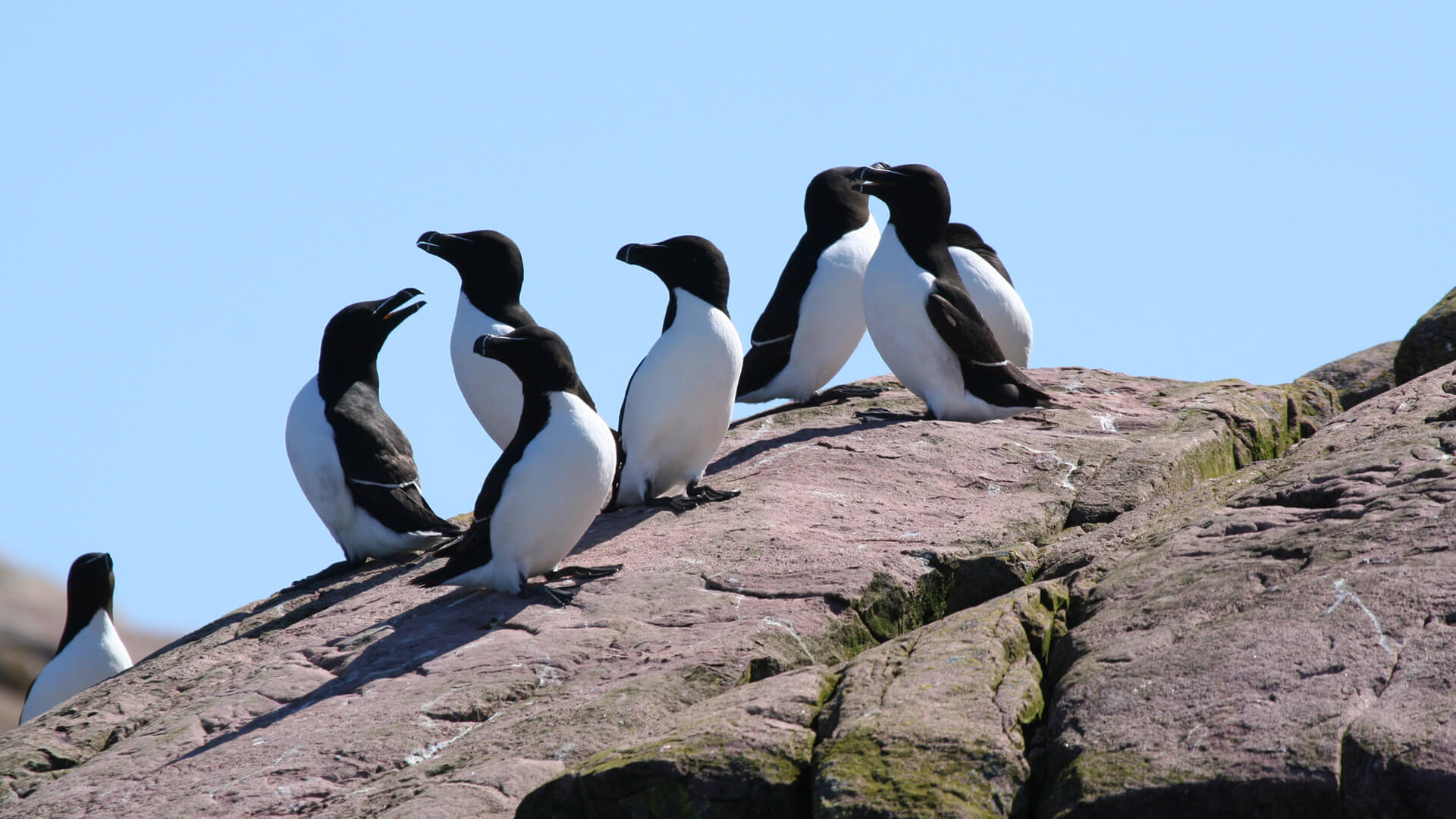
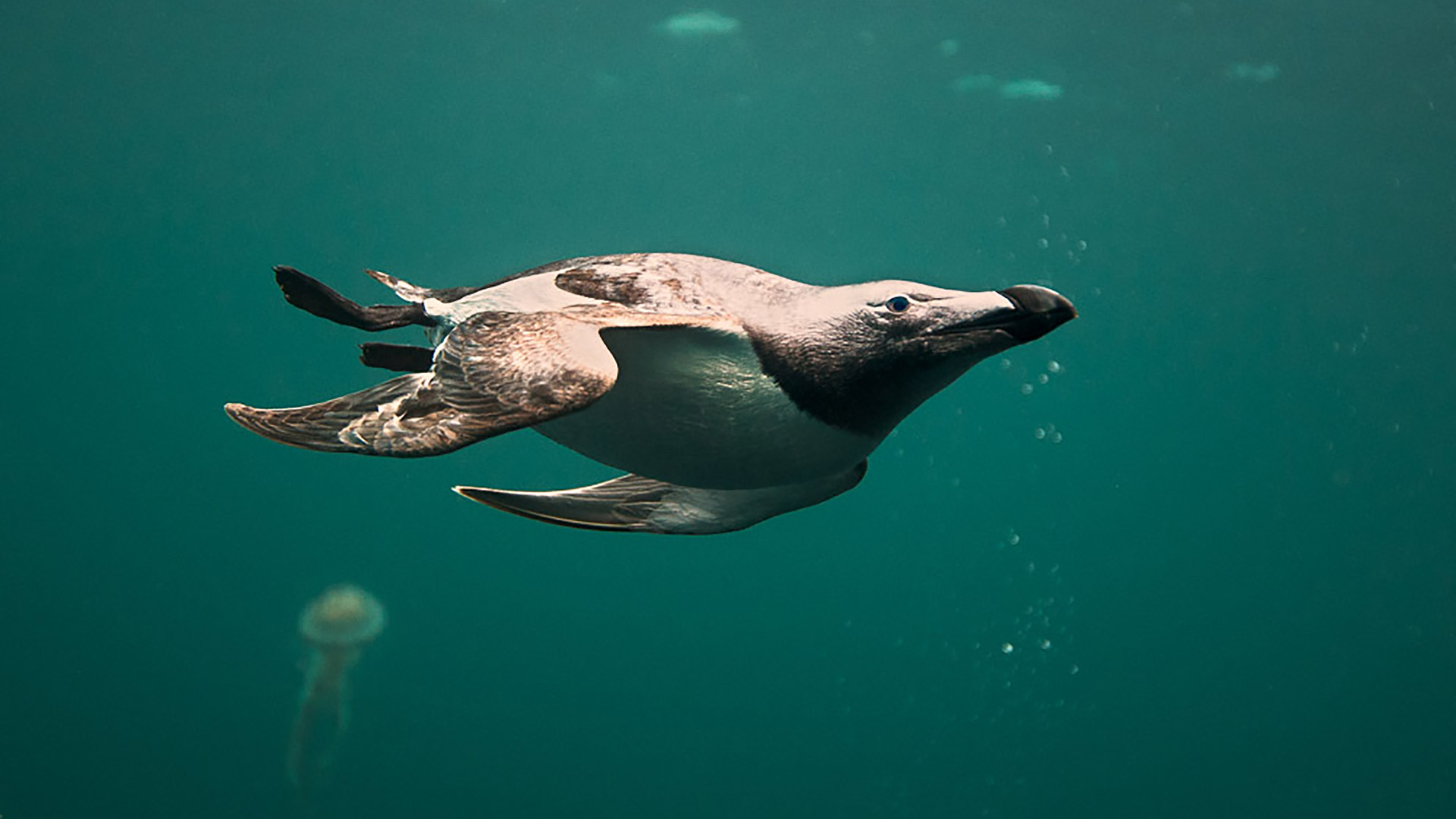
Razorbill
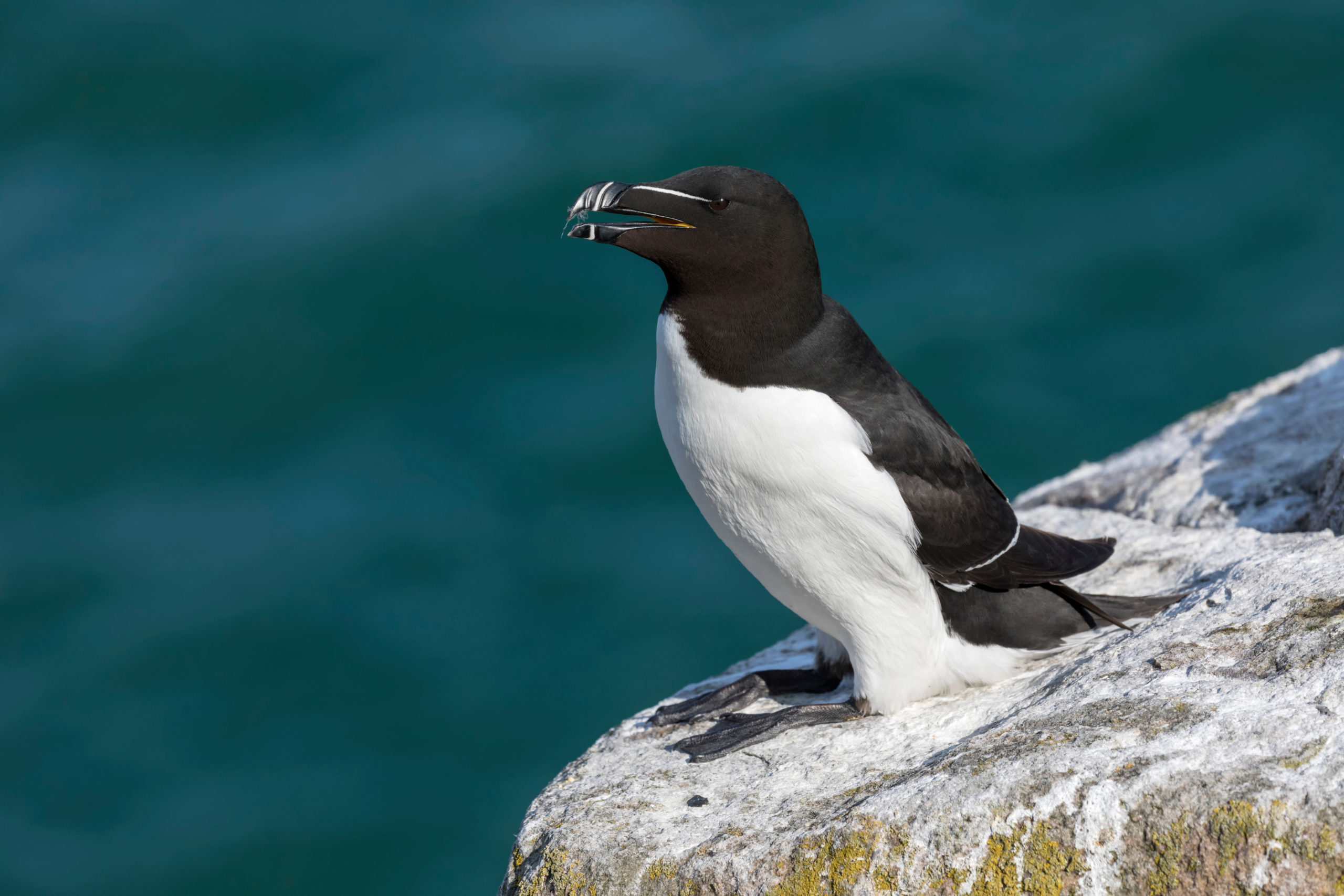
Also a member of the Auk family, the Razorbill occurs inshore/land during their breeding season from March/April – August/September. Slightly smaller than a Guillemot with blackish rather than brown upper parts with a distinctive heavy bill.
They can be seen nesting on the lower sections of the of the Great Stack.
Fulmar
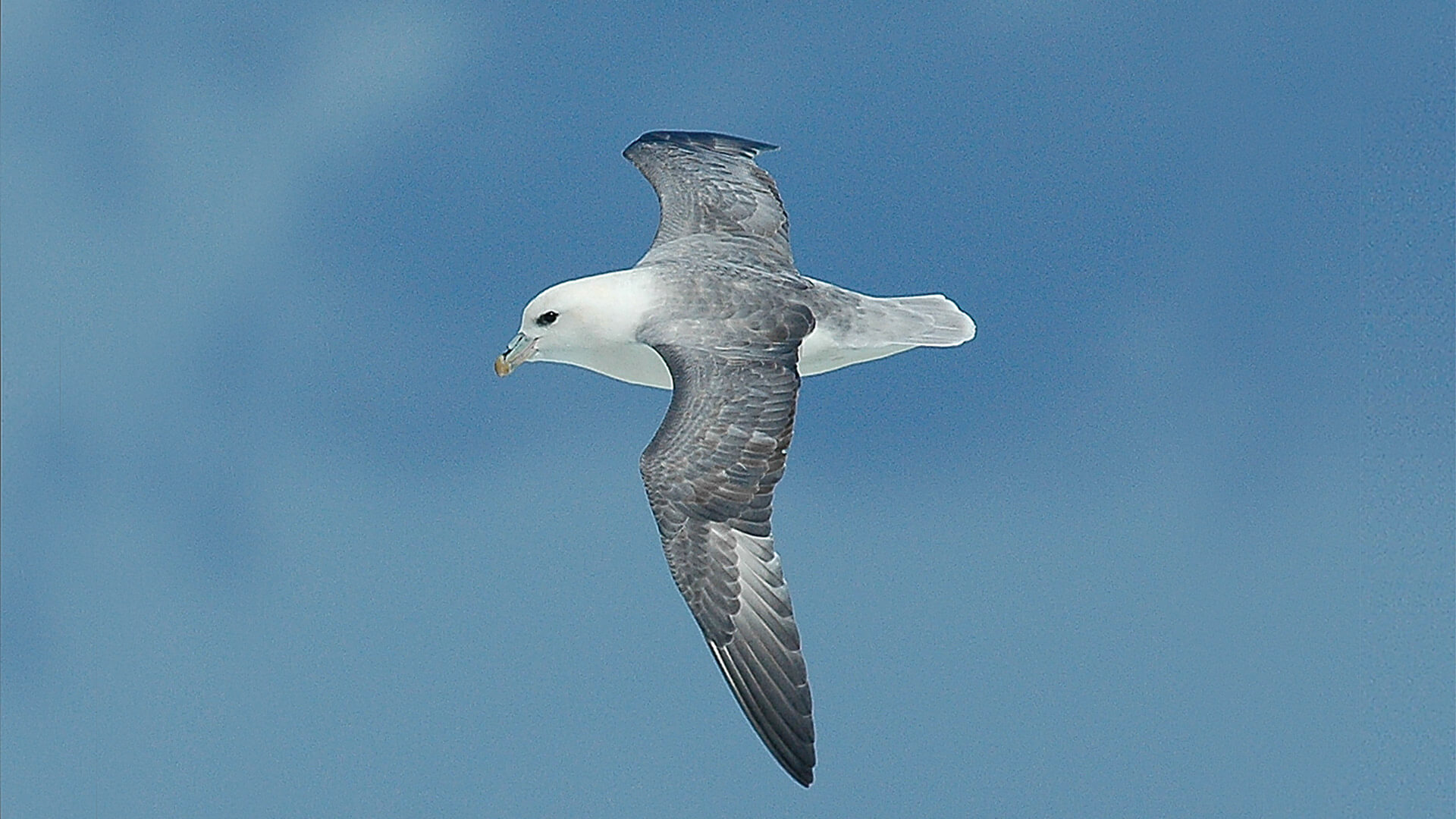
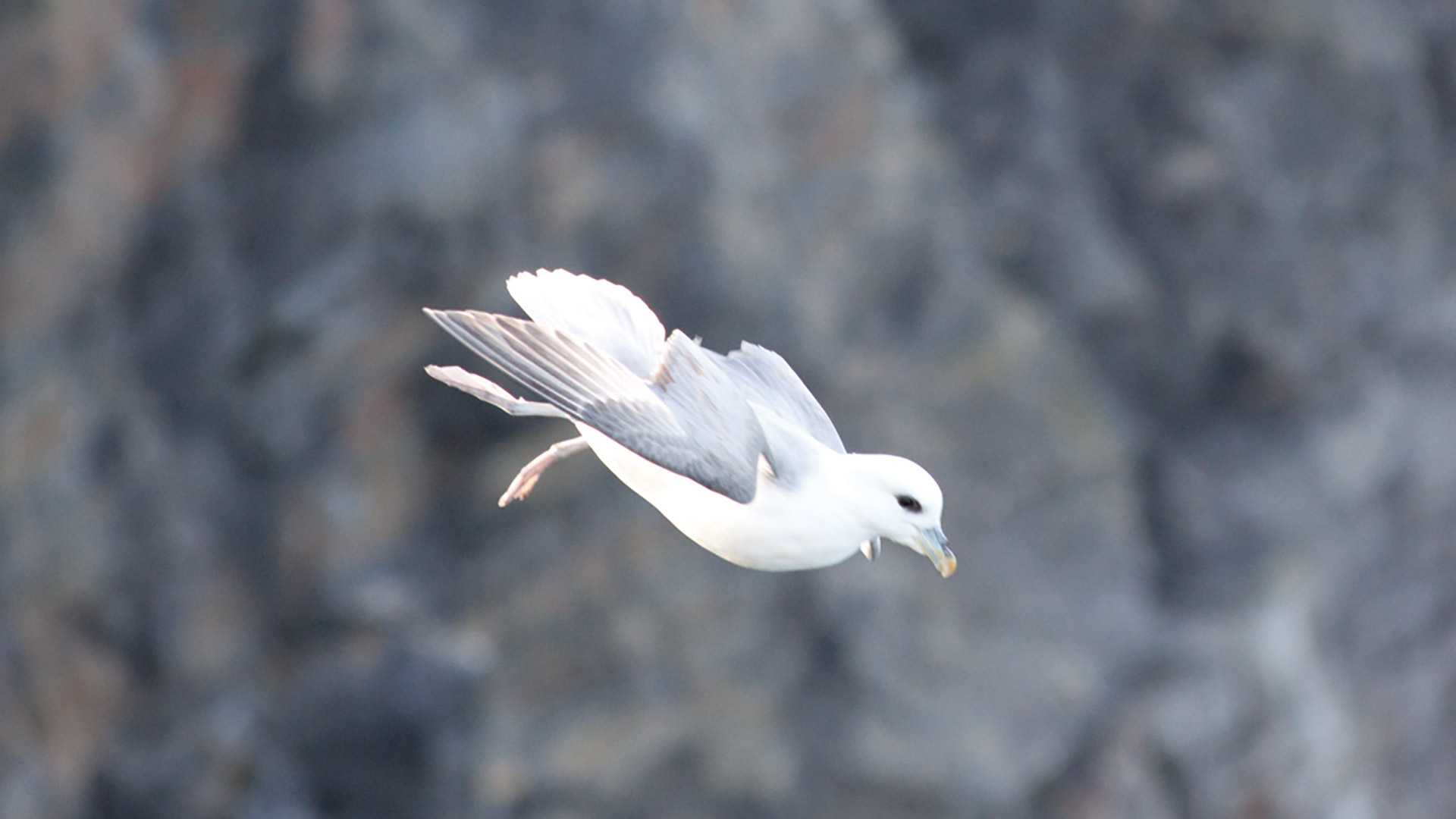
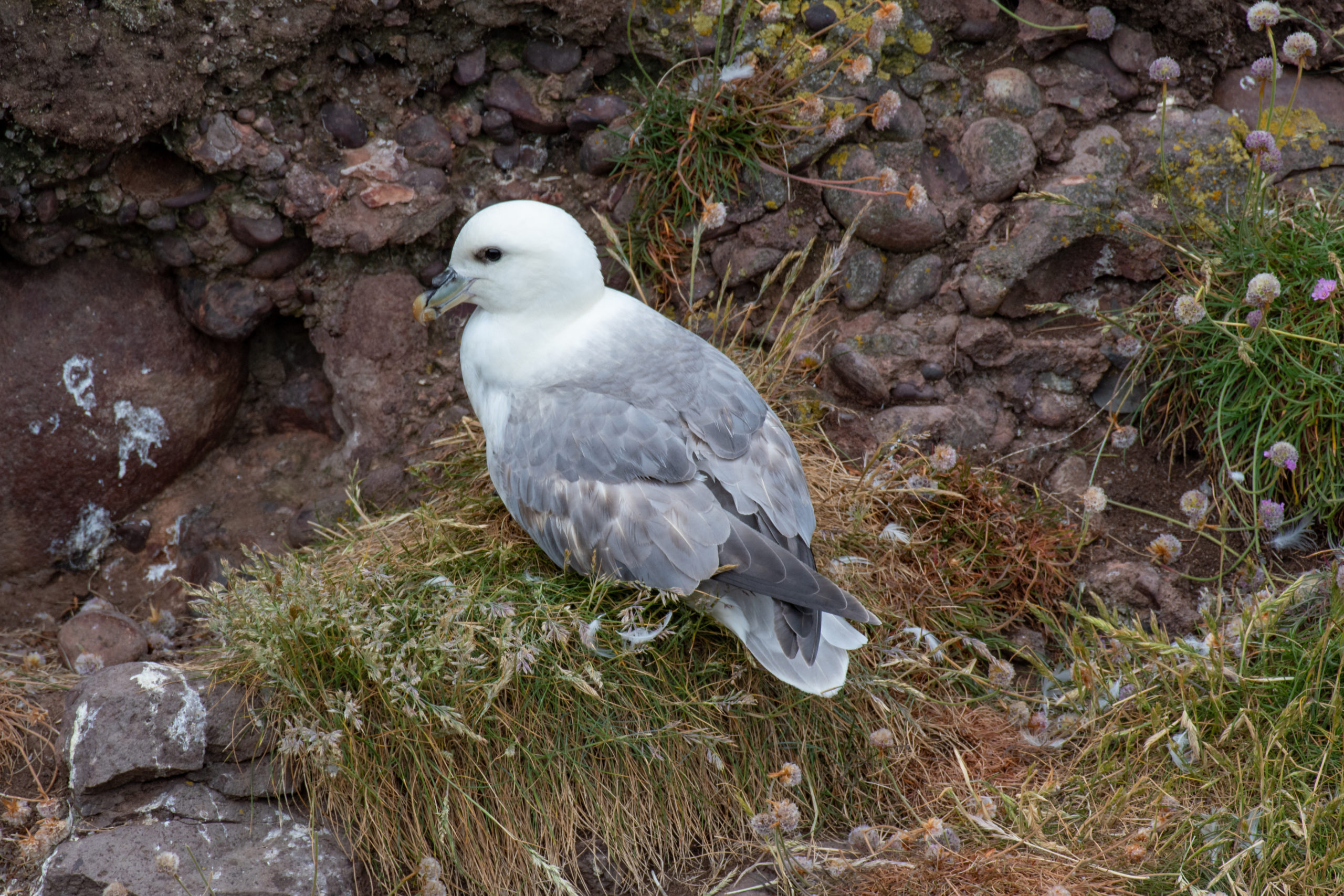
Although the Fulmar resembles a seagull, it is related to the Albatross and can be seen all year round at the Cliffs where populations have thrived. With white underarms and pale grey upper arms, a straight, stout bill and hooked tip and tube-shaped nostrils giving this bird a distinctive bill shape at close range.
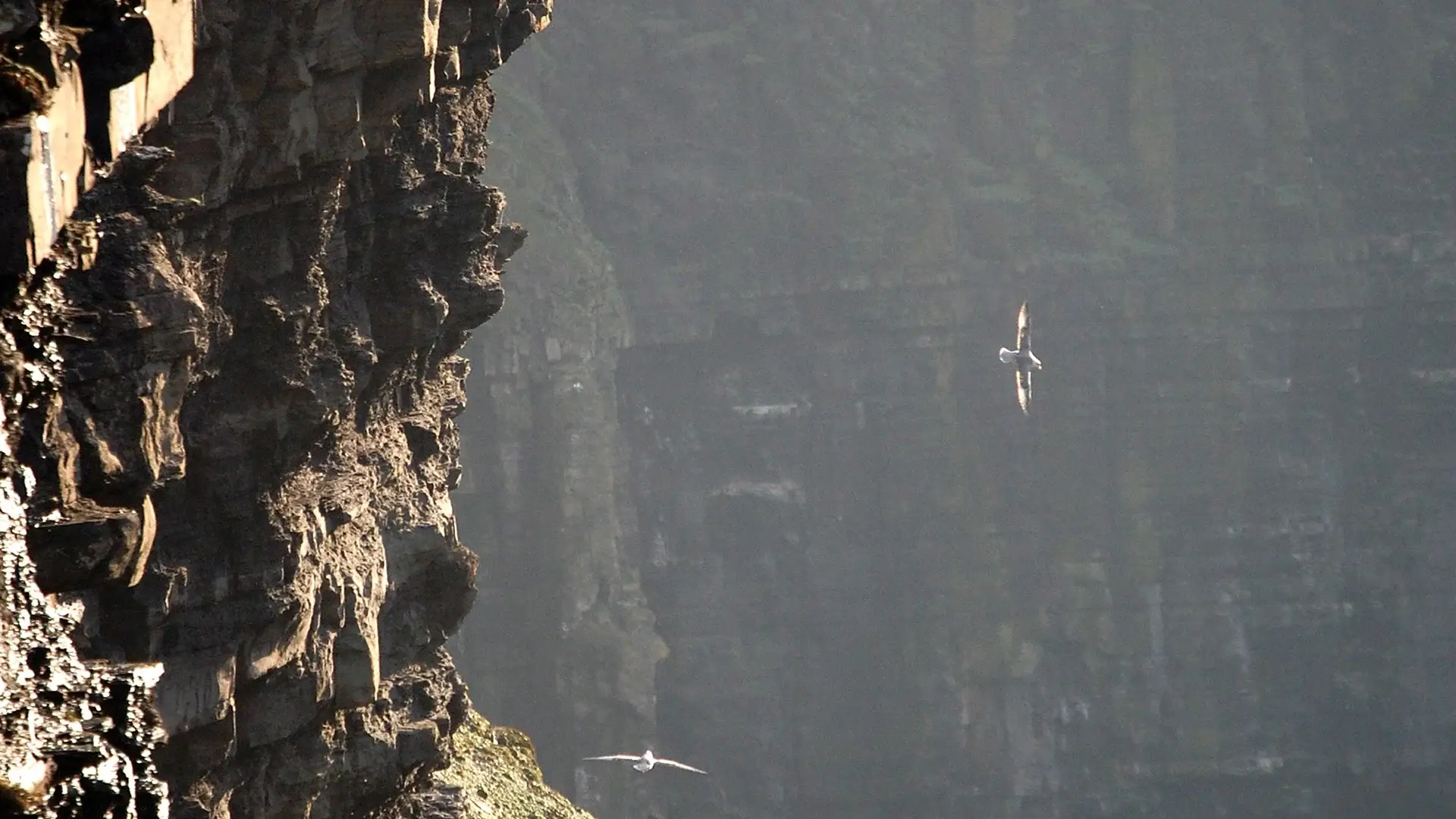
Look out for them in stiff-winged flight riding the thermals and updrafts over the Cliffs.
Kittiwake
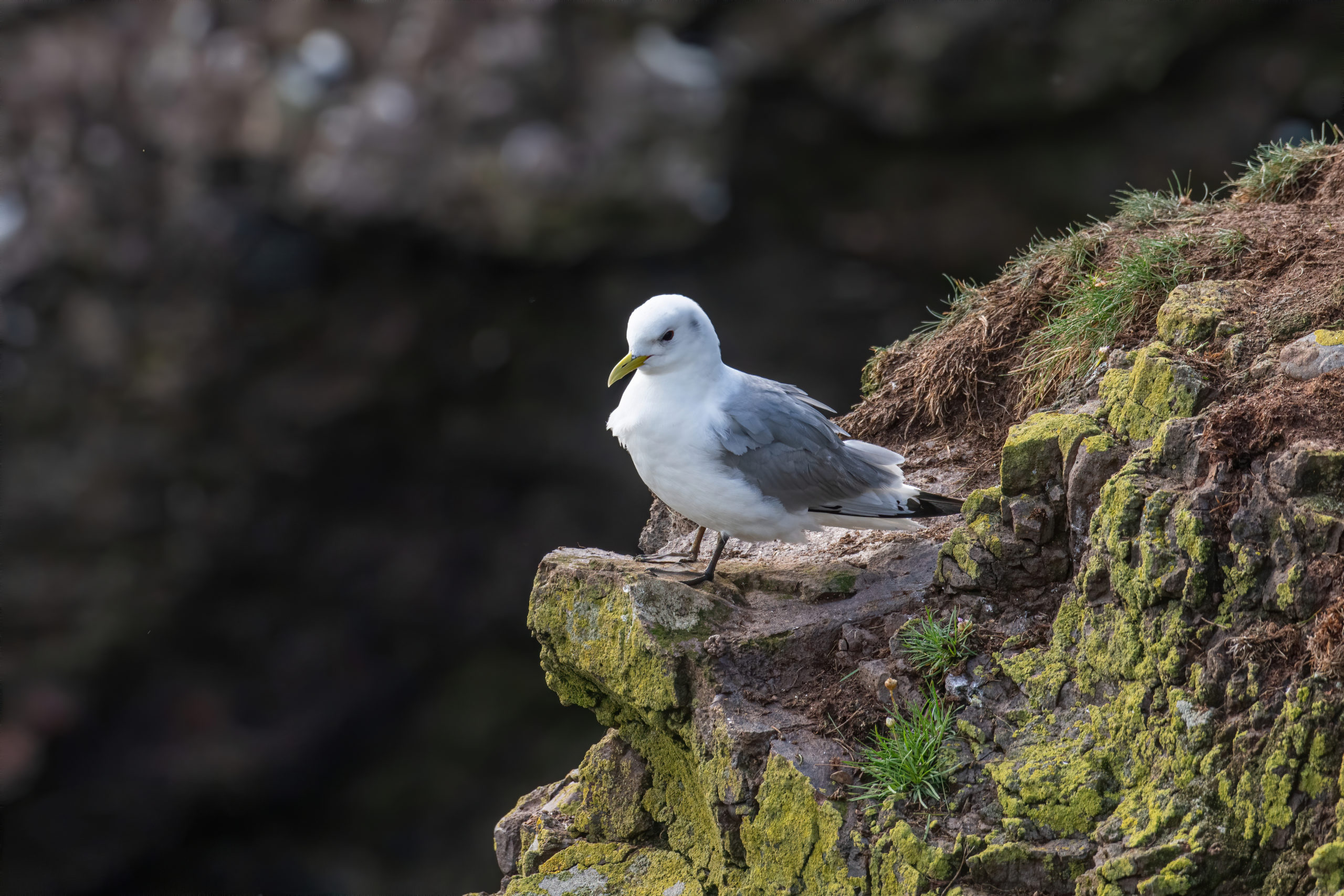
A summer visitor to the steep coastal cliffs, these are small gulls, slightly larger than a Black-headed Gull. with grey plumage on top, a yellow bill, and dark legs. Adults show white heads in the Summer and a dark patch behind the eye in winter.
They are very noisy birds and you’ll see many of them in messy nests on the upper sections of the Great Stack.
Chough
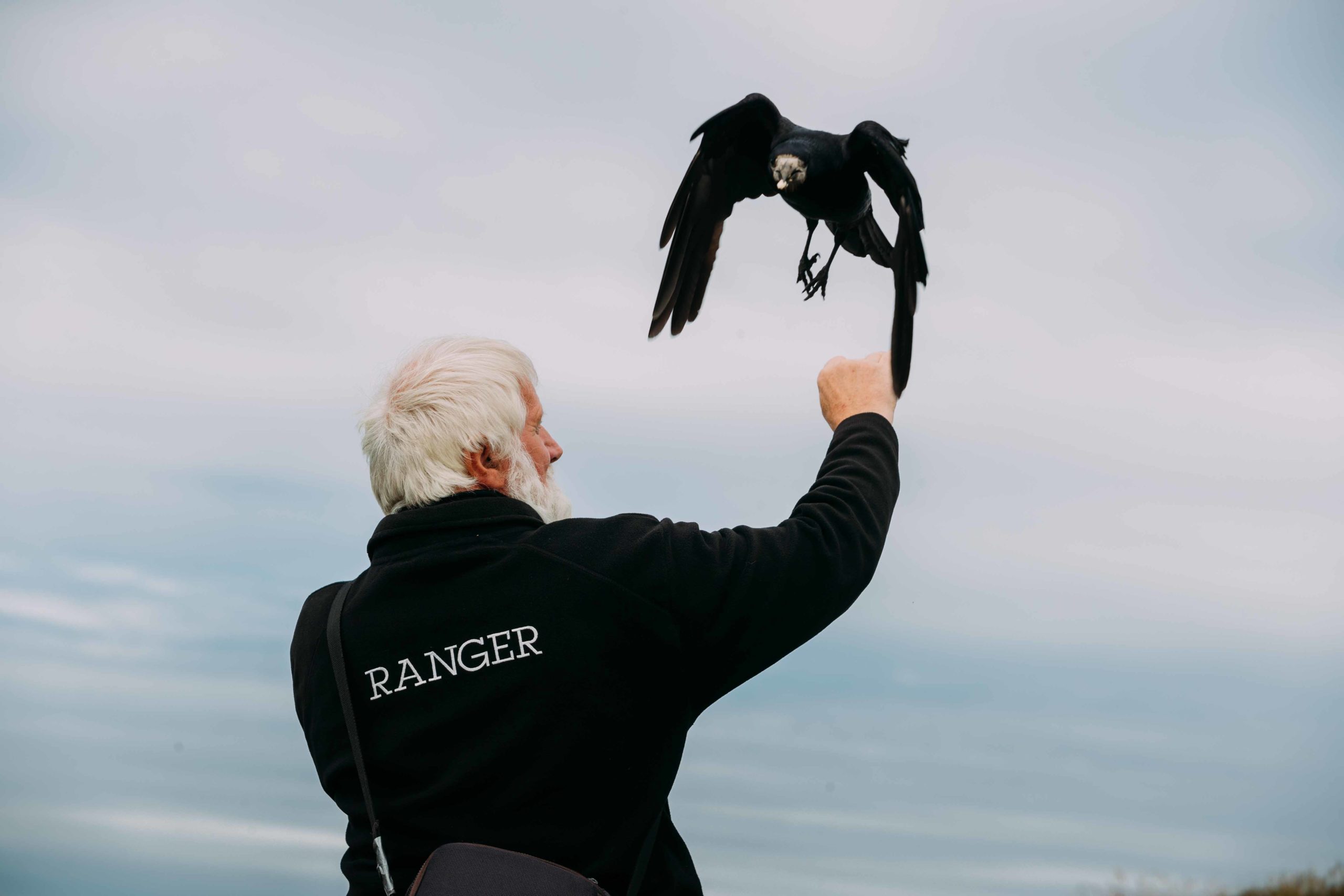
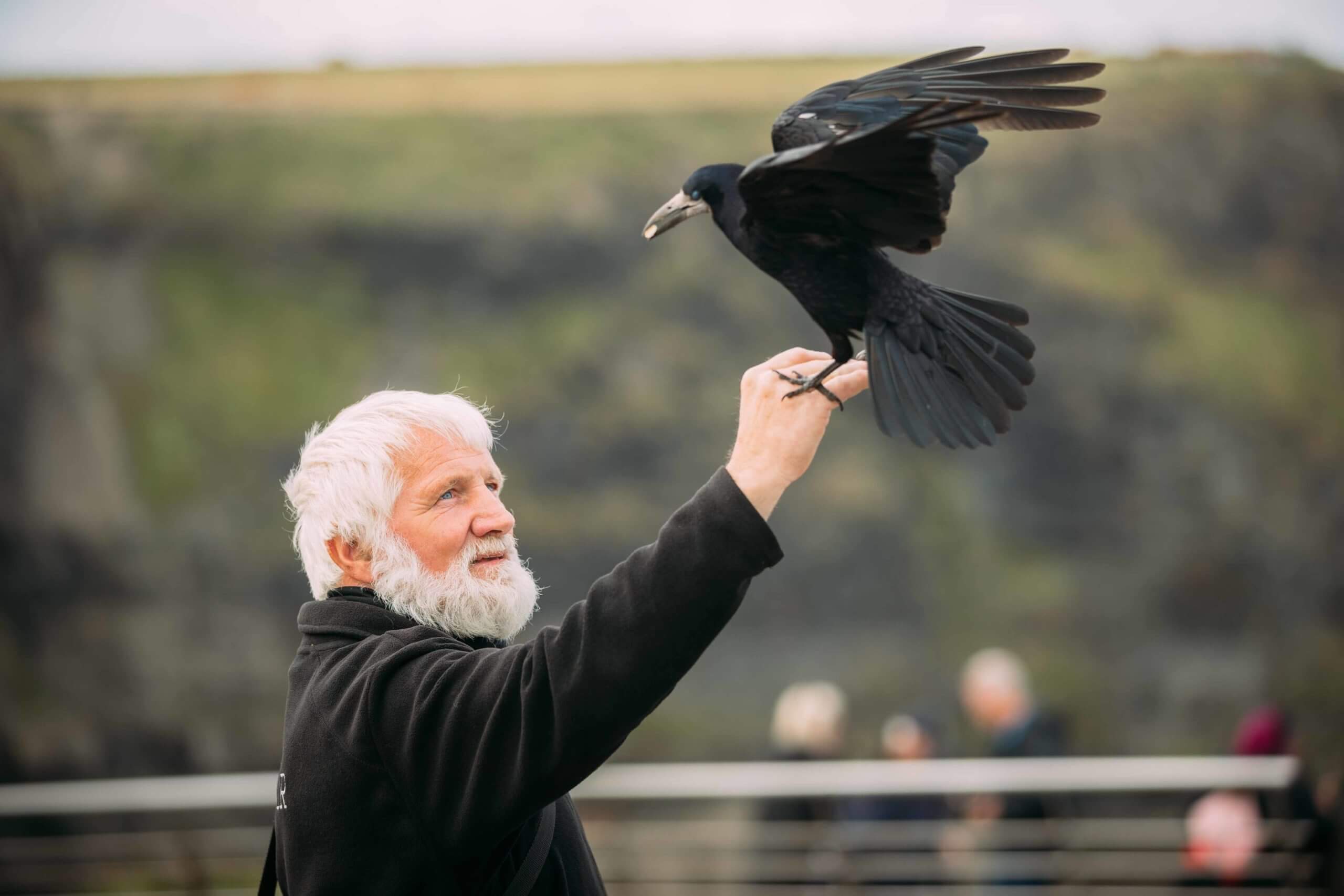
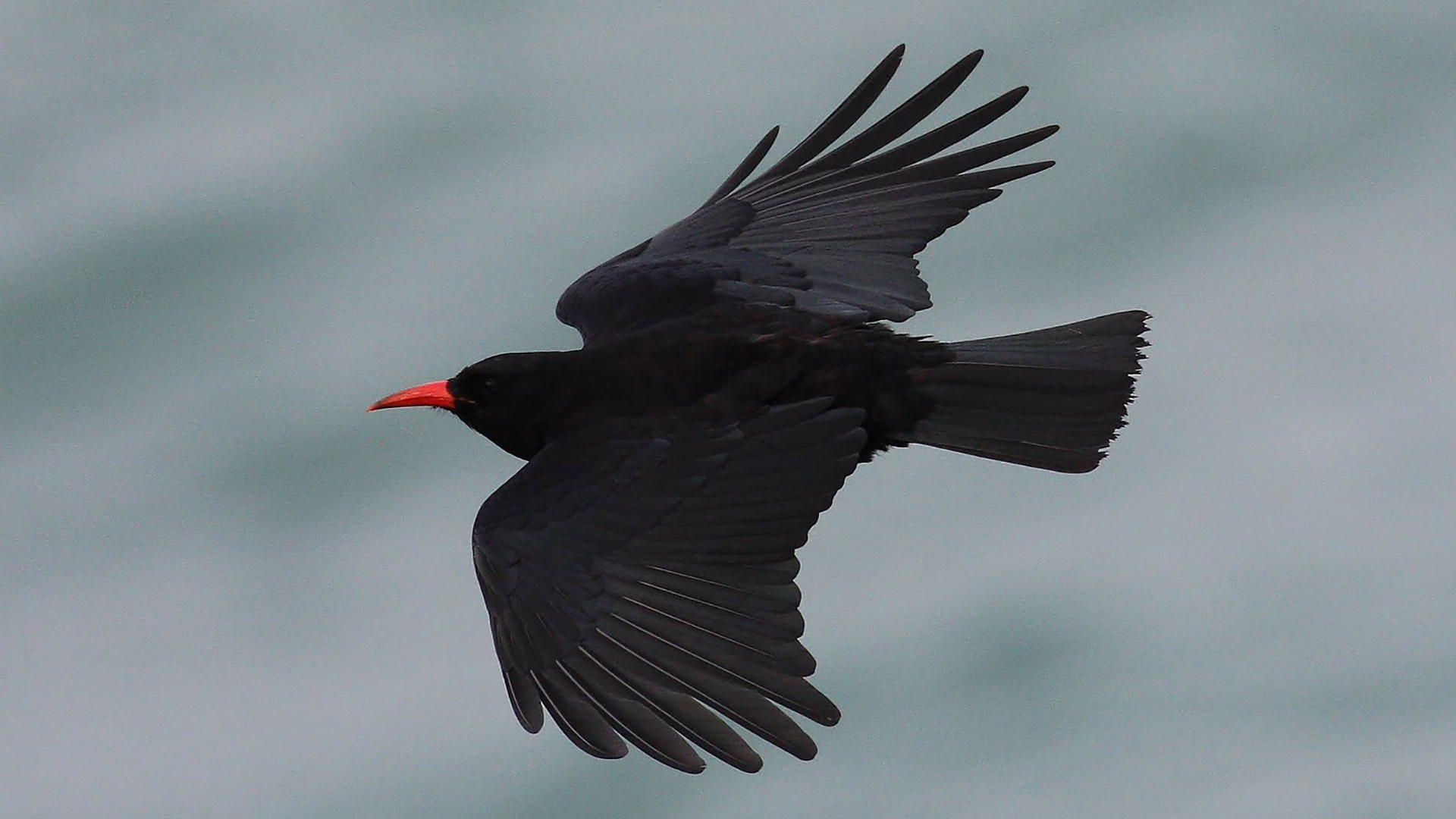
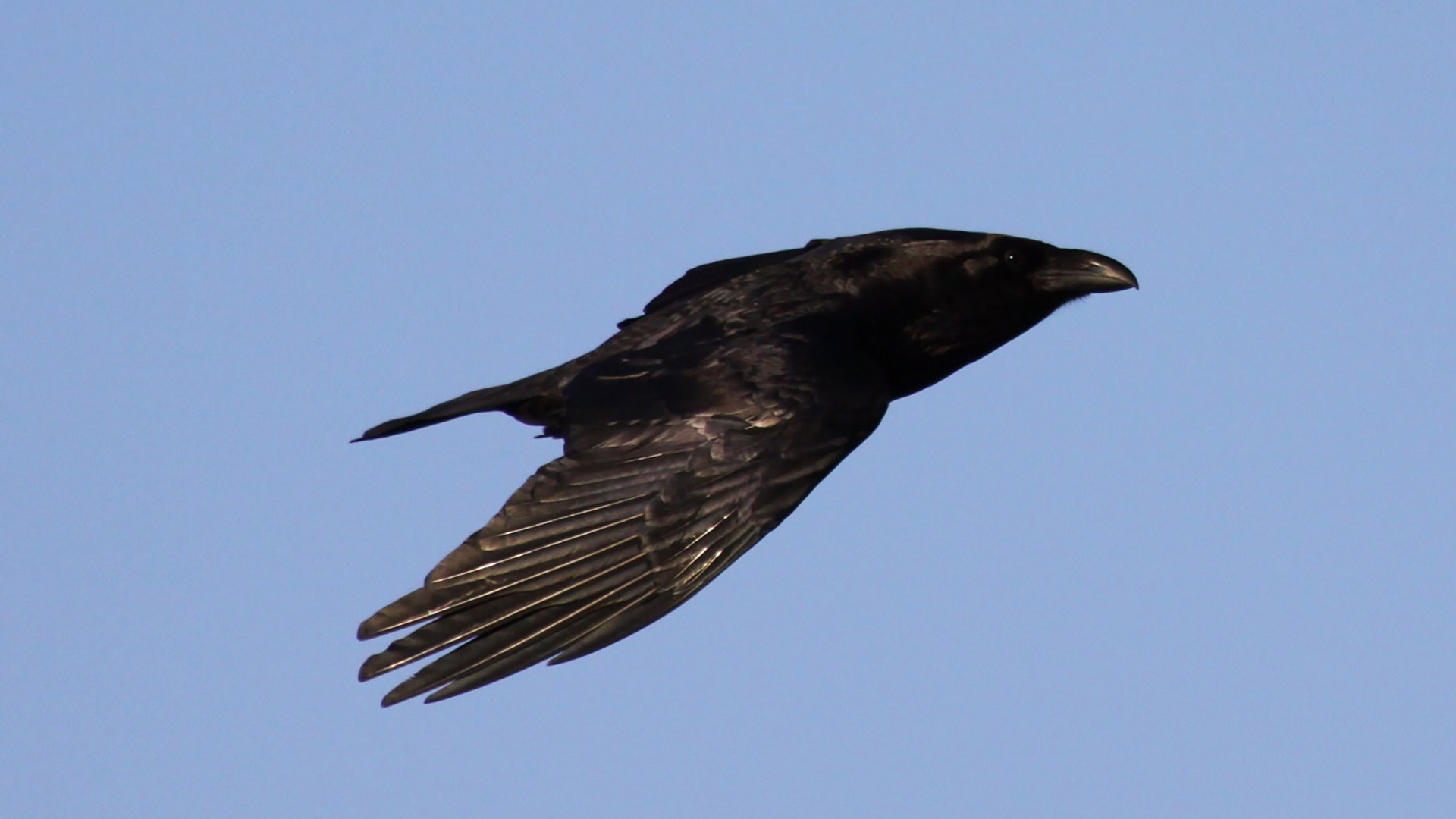
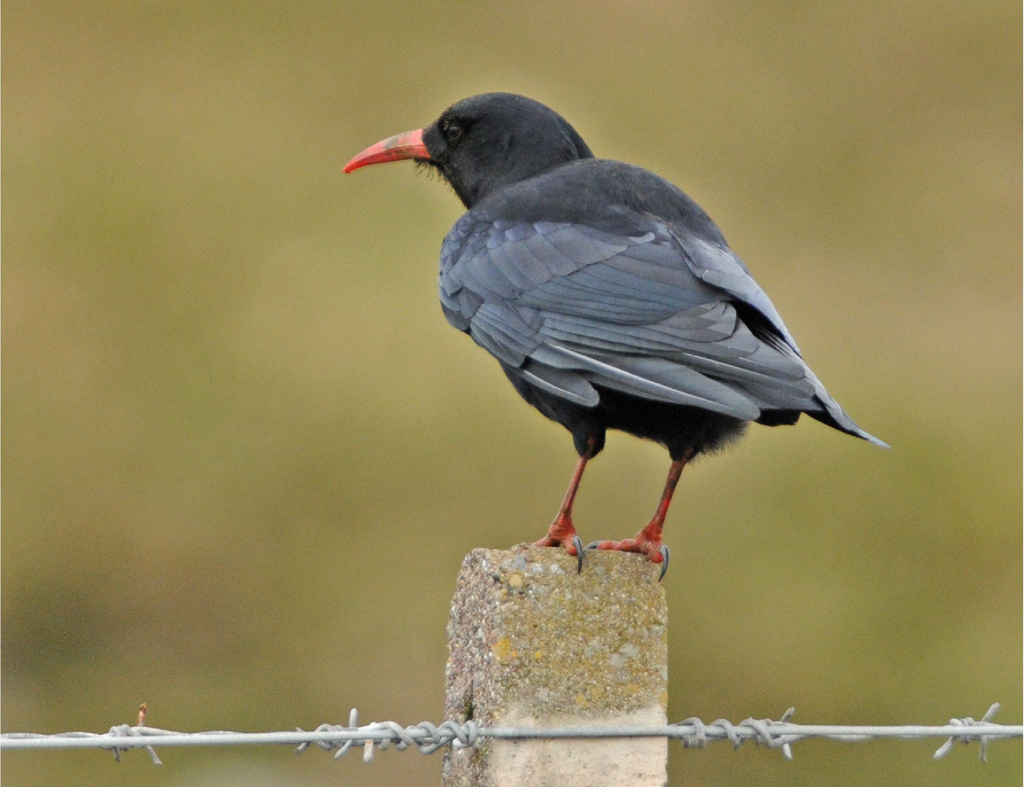
Slightly larger than the familiar Jackdaw, this bird resembles a typical all-black crow, however, at close range, you will find it has a uniquely long, down-curved bill and bright red legs.
The Irish name of this species translates to “red-legged Jackdaw”. Choughs frequently swoop and soar in updrafts around cliffs, seemingly just for fun. Flocks of up to 18 birds have been seen at the Cliffs.
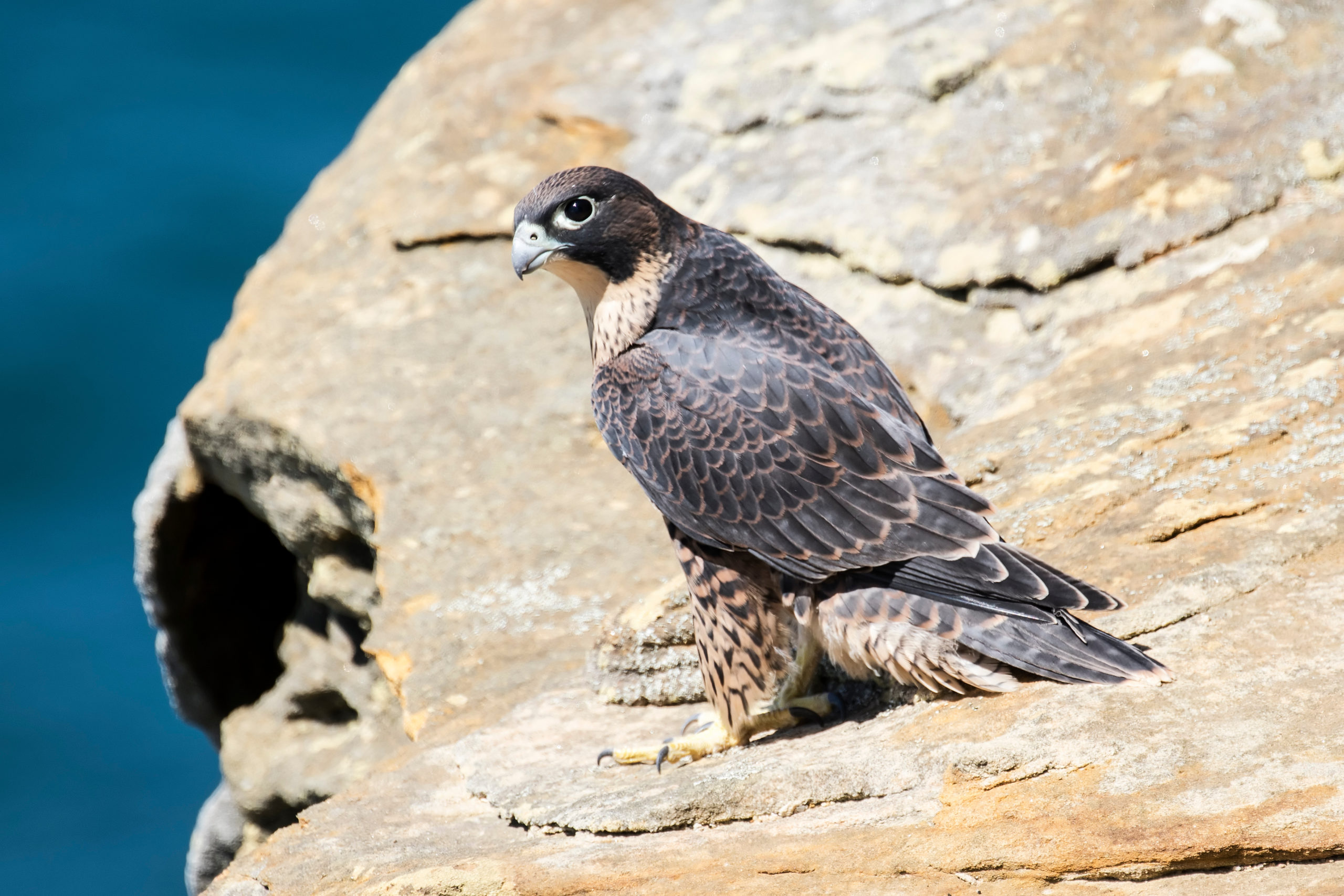
Peregrine
A bird of prey with a short, hooked bill, this falcon is one of the fastest creatures on the planet – reaching speeds of up to 240km/h. Adults are bluey grey above, with a barred tail, white underparts and finely barred, the cheek, throat and upper breast are plain white and contrast with a black hood. Peregrines are territorial so, during your visit, you may well witness many aerial battles between them and other birds.
Top tips for your visit!
- Bring a pair of binoculars with you when you visit, to help with your viewing, and if you don’t have binoculars, ask one of our team members at reception as we will loan you one for free!
- Download our App and Audio guide and listen and learn about the Birds that you might witness at the cliffs
- Get your children interested and download our activity booklet in advance so they have fun while learning about the Magnificent Seven.
- Bring a picnic, and avail of a complimentary picnic blanket, (ask our team members)
- Book online only
If you have children, download our activity booklet on the birds here in advance of your visit. They will have loads of fun spotting the birds at the cliffs.
For additional learning resources click here.